Kilimanjaro Packing List: Complete Gear Guide for Climbing Mount Kilimanjaro
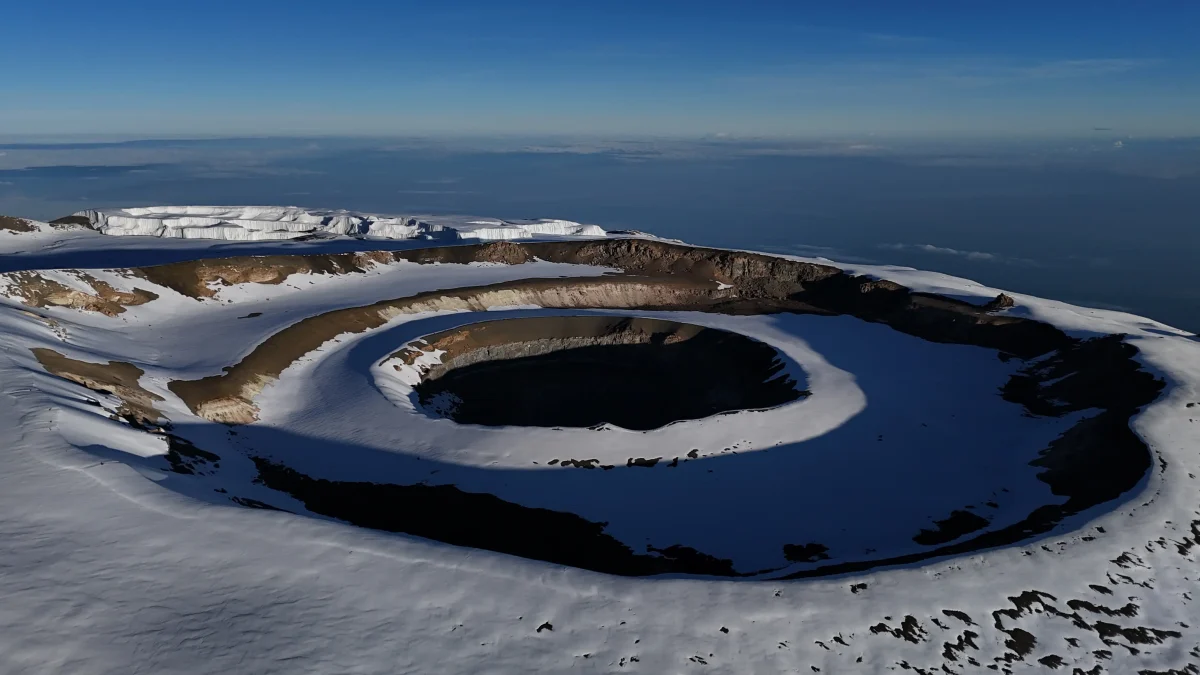
Climbing Mount Kilimanjaro requires careful preparation and the right equipment for changing weather and temperatures. At 5,895 metres (19,341 feet), Uhuru Peak is Africa's highest point, and conditions can range from warm and humid on the lower slopes to freezing and windy near the summit.
This complete Kilimanjaro packing list explains what to bring for your trek, including clothing, footwear, sleeping equipment, personal items, and essential accessories. Whether you are climbing for five days or taking a longer route, packing the right gear will help you stay comfortable and prepare for the conditions you may encounter.
Kilimanjaro's Five Climate Zones
Mount Kilimanjaro passes through five main ecological zones, each with different temperatures, rainfall, and vegetation. During a climb that typically takes several days, you may experience humid forest trails, cool mountain air, dry high-altitude terrain, and freezing summit conditions.
Understanding these changes will help you choose suitable clothing and equipment for each stage of your trek.
1. Rainforest Zone (approximately 800–2,800 metres / 2,600–9,200 feet)
The lower forest zone is often warm and humid, with rain, mist, and muddy trails possible, particularly during wetter periods.
Conditions: Warm, humid, and sometimes wet.
What to expect: Dense forest, damp paths, and possible rainfall.
What to pack: A waterproof jacket and trousers, moisture-wicking clothing, comfortable hiking boots, and suitable hiking socks.
2. Heath and Moorland Zone (approximately 2,800–4,000 metres / 9,200–13,100 feet)
Above the forest, the vegetation becomes more open, with heath, grasses, shrubs, and distinctive high-altitude plants. Days may feel cool, while temperatures can drop considerably after sunset.
Conditions: Cool days and cold nights, with possible mist or drizzle.
What to expect: Open trails, changing weather, and greater exposure to wind and sun.
What to pack: Layered clothing, a warm fleece, a hat, gloves, and sun protection.
3. Alpine Desert Zone (approximately 4,000–5,000 metres / 13,100–16,400 feet)
The alpine desert is drier and more exposed, with sparse vegetation and significant changes in temperature between day and night. Strong sunlight and wind can make conditions challenging.
Conditions: Dry air, intense sunlight, cold nights, and possible strong winds.
What to expect: Rocky terrain, open ground, and limited natural shelter.
What to pack: A warm insulating jacket, windproof and waterproof outer layers, UV-protective sunglasses, sunscreen, and a warm hat.
4. Arctic Summit Zone (above approximately 5,000 metres / 16,400 feet)
The summit zone is extremely cold and exposed. During summit night and the early morning ascent, climbers may face freezing temperatures, strong winds, and wind chill that makes conditions feel even colder.
Conditions: Freezing temperatures, wind, and possible ice or snow.
What to expect: Cold, demanding walking conditions and limited opportunities to warm up while moving.
What to pack: A well-insulated jacket, thermal base layers, warm gloves or mittens, a warm hat or balaclava, insulated hiking socks, and protective outer layers.
5. Cultivation and Lower Foothill Zone (below the montane forest)
The mountain's lower foothills include cultivated areas and settlements before the trail enters the forest. Conditions here are generally warmer than higher on the mountain.
Conditions: Often warm, with humidity and rainfall varying by season.
What to expect: Warmer temperatures at the start of the trek and a gradual transition into cooler forest conditions.
What to pack: Lightweight hiking clothes, comfortable footwear, sun protection, and rain gear.
Note: Climate-zone boundaries and temperatures are approximate. Actual conditions depend on the route, season, time of day, and weather. Pack for both rain and cold regardless of when you climb.
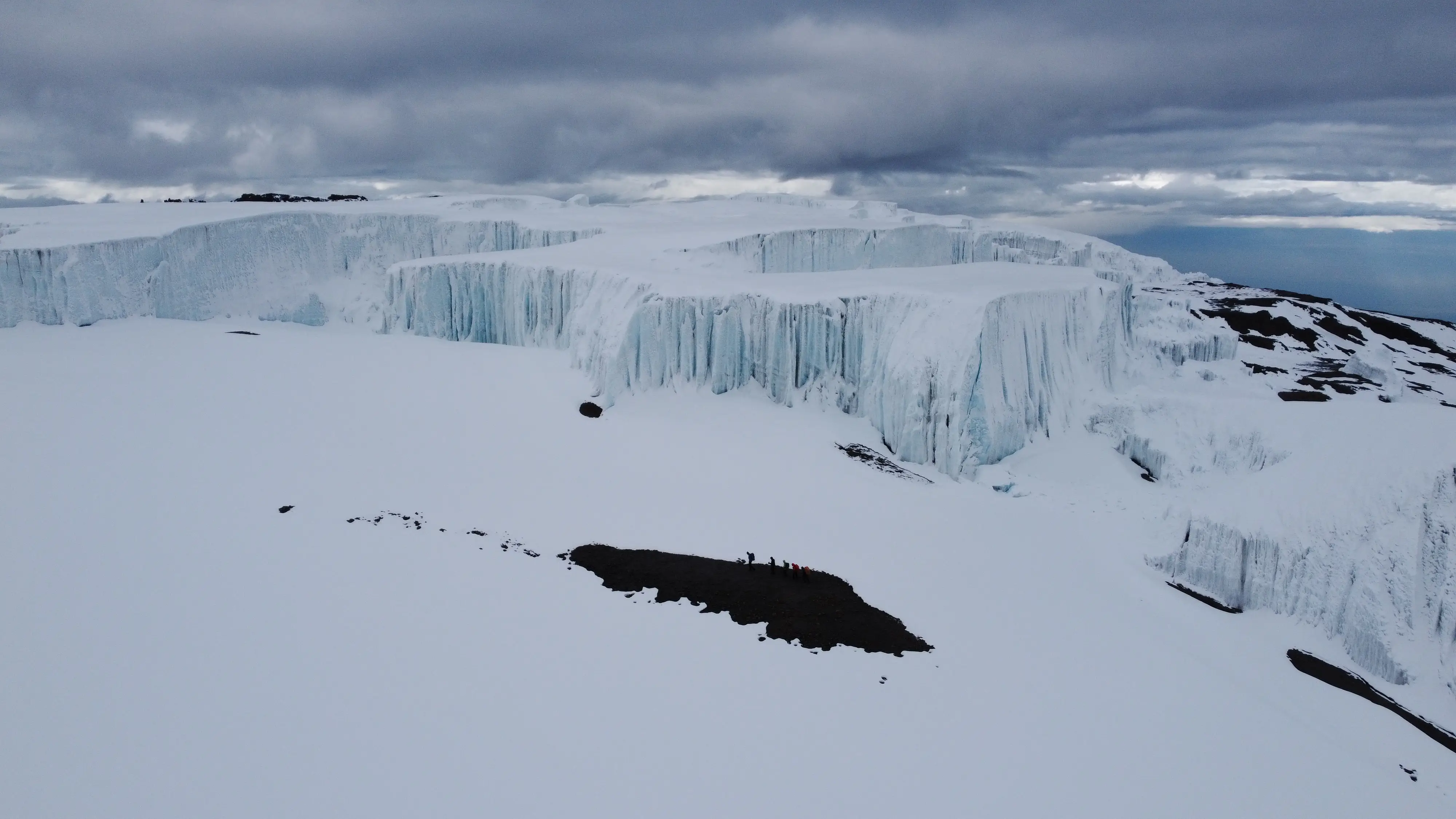
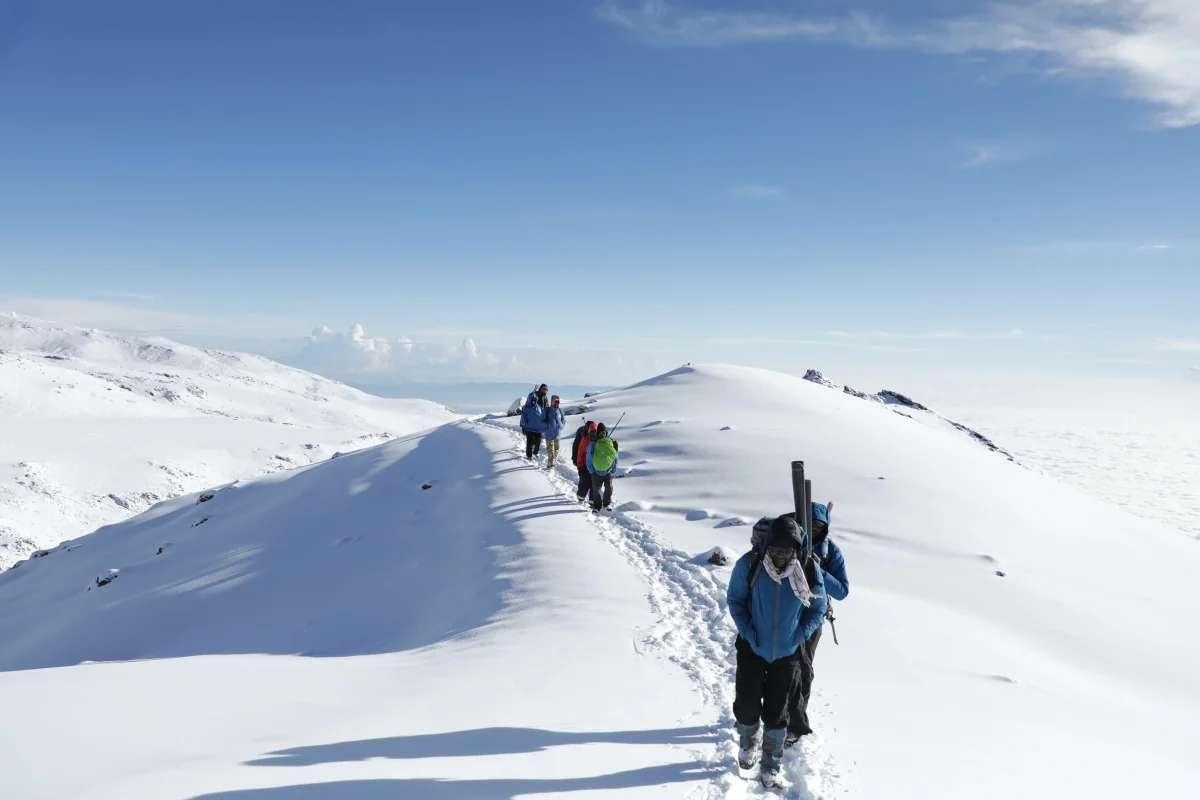
Massive ice formations and glaciers cover parts of Mount Kilimanjaro’s high-altitude summit.
5. Descent Zone
As you descend from higher elevations, temperatures generally become warmer, especially during the day. You may need to remove some insulating layers while continuing to protect yourself from the sun and changing weather.
Conditions: Warmer temperatures at lower elevations, with conditions varying by weather and time of day.
What to expect: A gradual change from cold, exposed mountain terrain to milder conditions.
What to pack: Lightweight clothing, sun protection, and layers that are easy to remove or put back on.
The variety of conditions on Mount Kilimanjaro means you cannot pack for just one type of weather. Your gear should prepare you for warm, humid trails, rain, cool evenings, and freezing summit conditions, sometimes within the same day.
Essential Kilimanjaro Clothing: The Three-Layer System
Your Kilimanjaro packing list should include clothing that keeps you comfortable in changing temperatures, from warm lower slopes to cold summit conditions. The three-layer system helps you manage sweat, retain body heat, and protect yourself from wind and rain.
You can add or remove layers throughout the day depending on the weather and how much you are exerting yourself.
Layer 1: What Base Layers to Wear on Kilimanjaro
Base layers sit next to your skin and help move sweat away from your body while you hike. This is important on Kilimanjaro because damp clothing can make you feel cold when temperatures drop.
1–2 short-sleeved hiking tops: Useful for warmer sections of the trail.
Avoid cotton base layers: Cotton holds moisture and dries slowly, which can leave you feeling cold.
Best materials for Kilimanjaro base layers
Merino wool: Helps regulate temperature, manages moisture, and resists odours.
Synthetic fabric: Polyester and nylon blends dry quickly, are durable, and are often more affordable.
Choose comfortable base layers that fit well and dry effectively. You do not need the most expensive clothing, but it is worth choosing materials suited to long hiking days and changing mountain weather.
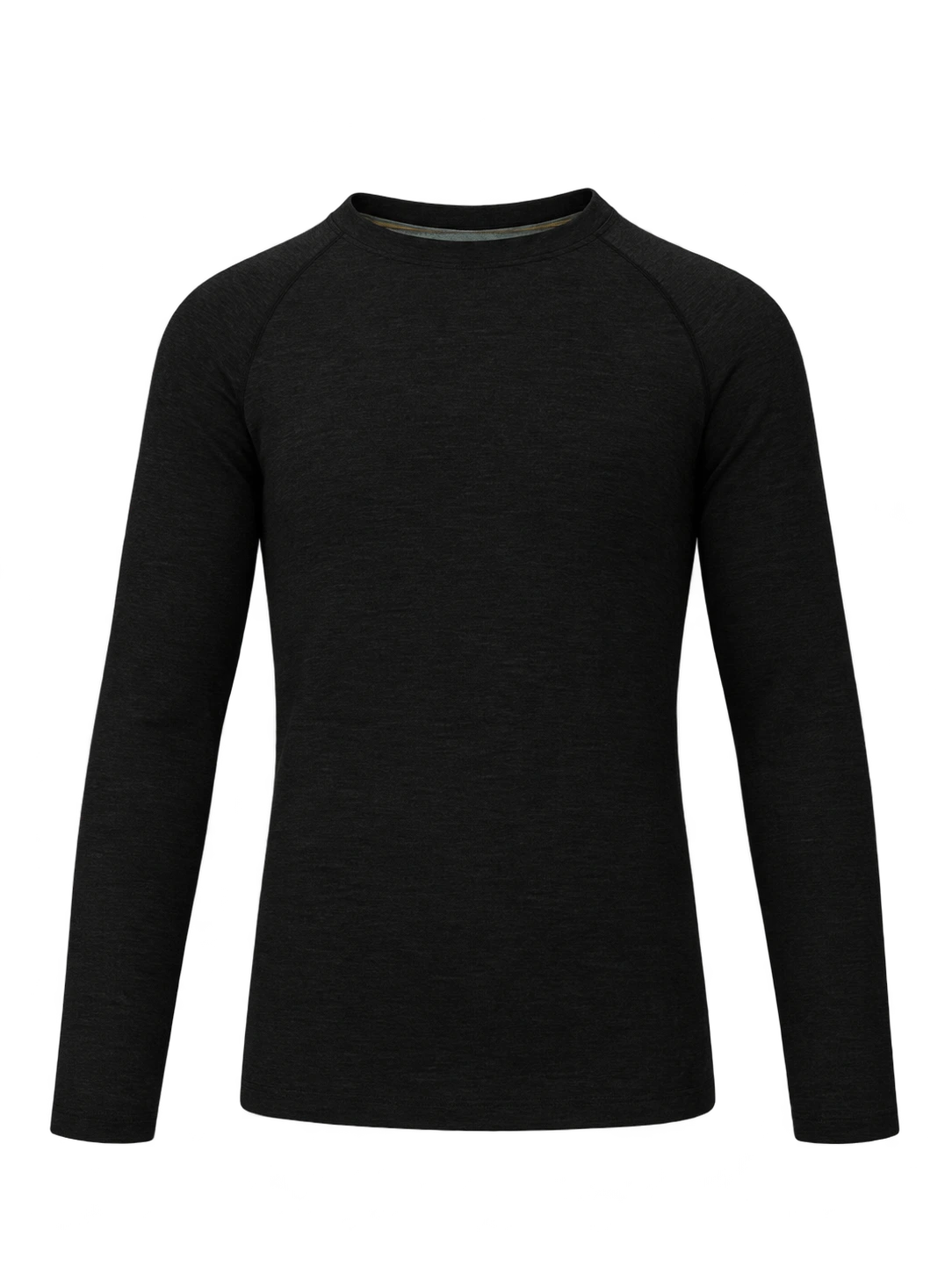
Lightweight merino wool and synthetic long-sleeve base layer tops for Kilimanjaro moisture wicking and warmth.
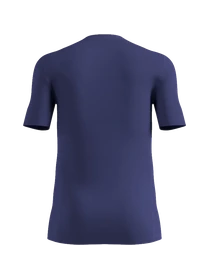
Breathable short-sleeve base layer tops for warm rainforest and lower elevation sections of the Kilimanjaro trek.
Lightweight merino wool and synthetic long-sleeve base layer tops for Kilimanjaro moisture wicking and warmth.
Breathable short-sleeve base layer tops for warm rainforest and lower elevation sections of the Kilimanjaro trek.
Layer 1: What Base Layers to Wear on Kilimanjaro
Base layers are the first part of your Kilimanjaro clothing list. They sit next to your skin and help move sweat away from your body, keeping you more comfortable as temperatures change during the climb.
You may sweat while hiking during the day, then face much colder conditions at higher camps and on summit night. Wearing moisture-wicking base layers helps you stay dry and makes it easier to stay warm when you add your fleece and insulated jacket.
1–2 short-sleeved moisture-wicking tops: Useful for warmer sections of the trail.
Avoid cotton: Cotton holds moisture and dries slowly, which can leave you feeling cold.
Best materials for Kilimanjaro base layers
Merino wool: Helps regulate temperature, manages moisture, and resists odours.
Synthetic fabric: Polyester and nylon blends dry quickly, are durable, and are often more affordable.
Silk: Usually not the first choice for a main trekking base layer because it may offer less warmth and durability than suitable merino or synthetic options.
How much do Kilimanjaro base layers cost?
Budget around $30–$120 per top, depending on the material and brand. Expensive clothing is not essential; focus on comfort, fit, and moisture management.
Layer 2: Best Jacket for Kilimanjaro Summit Night
The right insulation layers help you stay warm when temperatures drop on Mount Kilimanjaro. They are especially important at high camps and during the summit-night climb, when cold temperatures and strong winds can make conditions challenging.
What insulation should you include in your Kilimanjaro clothing list?
1–2 midweight fleece jackets or insulating tops: Wear these over your base layer to add warmth.
1 pair of fleece trousers or warm insulated trousers: Useful for cold evenings at camp and summit night.
1 warm-down or synthetic insulated jacket: An essential part of your summit clothing system.
1 insulated vest (optional): Provides extra warmth around your body without adding bulky sleeves.
How to choose the best jacket for Kilimanjaro summit night
A warm down jacket is popular because it provides good insulation without being too heavy to carry. Look for a jacket with suitable insulation, a comfortable fit, and enough room to wear over your base and fleece layers.
A synthetic insulated jacket is another option. It can be more practical in damp conditions because synthetic insulation generally retains more of its insulating ability when wet than down.
Whichever jacket you choose, make sure it is warm enough for freezing, windy conditions and works with your waterproof outer layer. The best choice depends on the expected weather, the jacket's insulation, and your overall clothing system.
Tip: Do not rely on your insulated jacket alone. Combining a moisture-wicking base layer, fleece, warm insulated jacket, and protective outer shell helps you adjust to changing conditions throughout your Kilimanjaro climb.
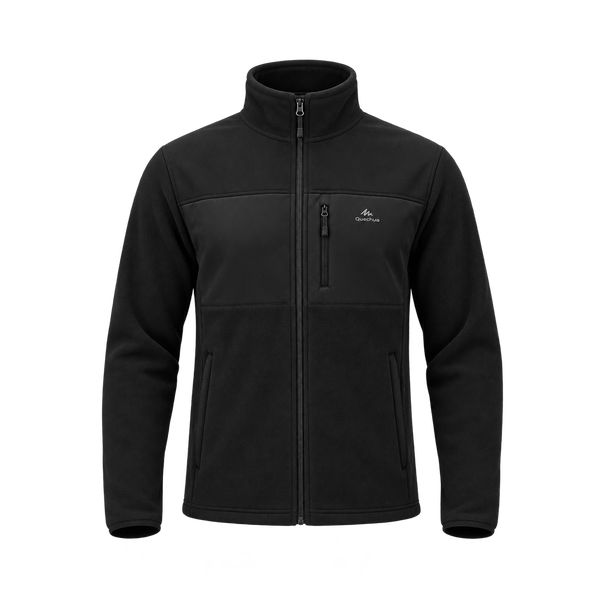
Mid-weight fleece jacket, 200-300 weight, for the Kilimanjaro insulation layer during cold camps and trekking.
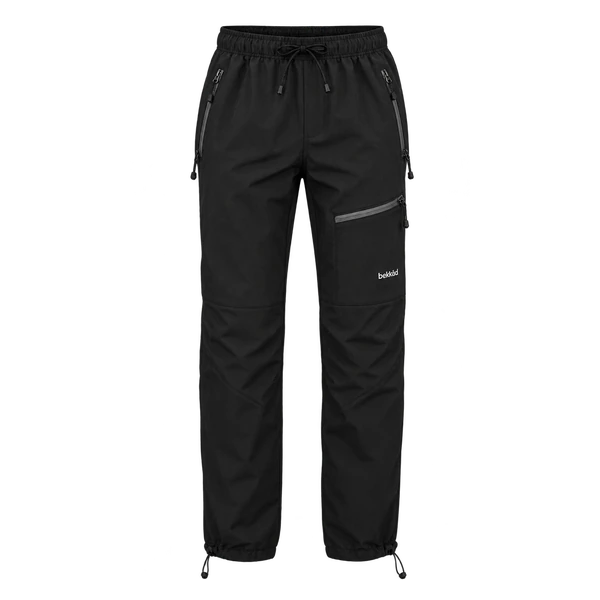
Fleece or soft-shell insulated pants for Kilimanjaro summit night and cold high-altitude camps.
Layer 2: Best Insulated Jacket for Kilimanjaro Summit Night
Insulation layers help keep you warm when temperatures drop on Mount Kilimanjaro. They trap warm air close to your body and allow you to adjust your clothing as you move between warmer trails and colder camps.
A warm insulated jacket is an important part of your Kilimanjaro summit clothing list, especially for the summit-night climb, when temperatures can fall well below freezing.
What insulation layers should you pack for Kilimanjaro?
1–2 midweight fleece jackets or insulating tops: Wear these over your base layer for extra warmth.
1 pair of fleece trousers or warm insulated trousers: Useful for cold evenings at camp and summit night.
1 warm down or synthetic insulated jacket: Choose one that provides enough warmth for freezing conditions and fits comfortably over your other layers.
1 insulated vest (optional): Provides extra warmth around your body without adding bulky sleeves.
Down vs synthetic jackets for Kilimanjaro
Down jackets: Lightweight, warm for their weight, and easy to compress into your pack. They can be more expensive and lose some insulating ability when wet.
Synthetic insulated jackets: Often more affordable and generally retain more warmth when damp, but they can be heavier and bulkier.
Which jacket is best for Kilimanjaro summit night?
Choose a warm down or synthetic insulated jacket designed for cold conditions. Consider its warmth, fit, weight, and how well it works with your base layers and waterproof shell. Keep your insulation dry inside your pack, particularly when rain is possible.
You do not need the most expensive jacket, but your summit clothing must provide enough warmth for the conditions expected on your climb.
Layer 3: Best Waterproof Jacket and Trousers for Kilimanjaro
Your outer shell protects you from rain and wind while allowing moisture from sweat to escape. Waterproof clothing is especially useful in the rainforest zone, where rain is possible, and at higher elevations, where wind and cold can make conditions uncomfortable.
What waterproof clothing should you pack for Kilimanjaro?
1 waterproof hiking jacket with a hood: Choose a waterproof, breathable jacket that protects you from rain and wind.
1 pair of waterproof trousers: These help keep your legs dry during wet weather and provide an extra protective layer in windy conditions.
How to choose a waterproof jacket for Kilimanjaro
Look for a jacket that is waterproof, windproof, and breathable. A breathable waterproof membrane, such as GORE-TEX or a similar material, can help release moisture while keeping rain out. Underarm ventilation zips are useful for releasing heat when you are hiking.
Check the manufacturer's waterproof rating and construction rather than relying on one number alone. The jacket should also have a hood that fits comfortably and enough room to wear over your fleece and insulated jacket.
How to choose waterproof trousers for Kilimanjaro
Choose lightweight waterproof trousers that fit over your hiking trousers and can accommodate your clothing layers. Full-length side zips are useful because they make the trousers easier to put on and remove over hiking boots.
Why waterproof outer layers matter
Rain, wind, and wet clothing can increase heat loss and make you feel cold, even when temperatures are not extremely low. A suitable outer shell helps keep your clothing dry and protects you from changing mountain weather.
For your Kilimanjaro packing list, choose outer layers that are protective, breathable, comfortable to walk in, and easy to wear over your other clothing.
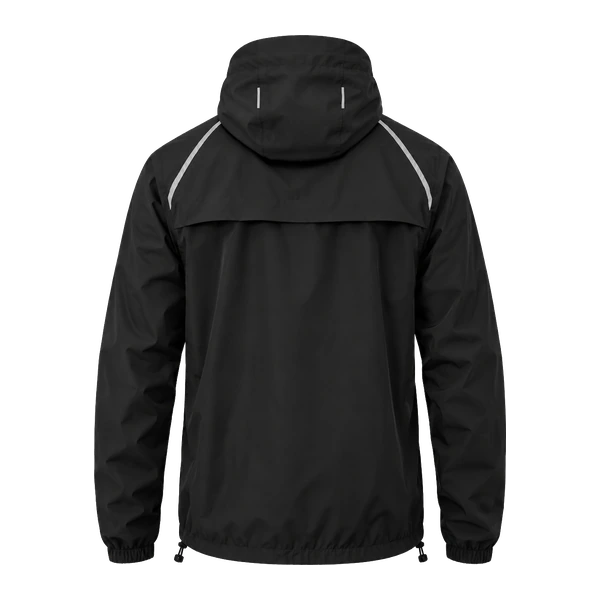
Waterproof rain jacket with adjustable hood and sealed seams for Kilimanjaro weather protection.
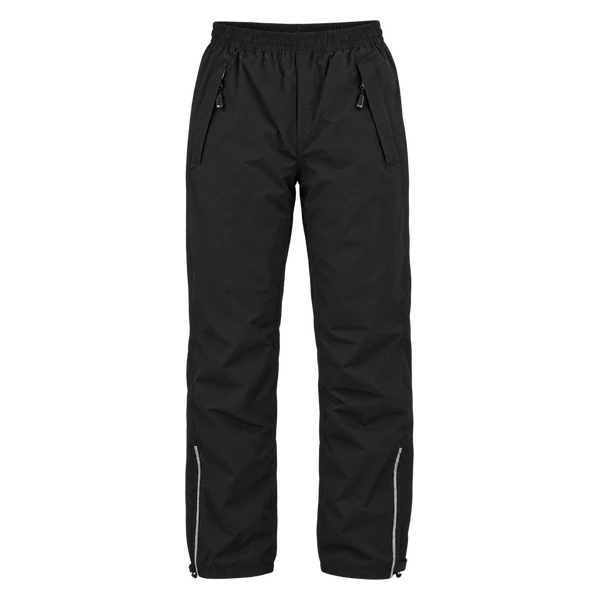
Waterproof rain pants or shell pants with sealed seams for wet conditions on Kilimanjaro trek
How to Choose a Waterproof Jacket for Kilimanjaro
When choosing a waterproof jacket for Kilimanjaro, look for reliable protection against rain and wind while allowing sweat to escape during long hiking days.
Key features to look for:
Waterproof rating: A rating of 10,000 mm or higher can be a useful starting point. A higher rating may provide additional protection in prolonged wet conditions.
Breathability: Choose a breathable waterproof fabric to help release moisture during physical activity.
Fully taped seams: Taped seams help prevent water from entering through the stitching.
Adjustable hood: Make sure the hood fits comfortably over a warm hat.
Ventilation zips: Underarm zips help release excess heat while hiking.
Practical pockets: Choose pockets that remain accessible when wearing your backpack or other layers.
Durable zips and construction: Look for quality zippers and sturdy materials designed for regular outdoor use.
Waterproof jacket prices vary depending on the brand, materials, and features. Choose one that suits your budget and provides dependable protection for changing mountain weather.
Complete Kilimanjaro Clothing Checklist
Use this Kilimanjaro packing checklist to prepare your hiking clothes for warm lower elevations, rainy forest sections, cold camps, and summit night. The quantities below are a practical guide; adjust them to your route length and personal needs.
Upper Body Clothing
Base Layers
☐ 2–3 long-sleeved merino wool or synthetic base-layer tops
☐ 1–2 short-sleeved moisture-wicking shirts
☐ 1–2 comfortable sports bras, if needed
Insulating Layers
☐ 2 midweight fleece jackets or warm sweaters
☐ 1 warm down jacket or heavy synthetic insulated jacket for summit night
☐ 1 insulated vest (optional)
Waterproof Outer Layers
☐ 1 waterproof, breathable rain jacket with a hood
Tip: Your insulated jacket belongs in your warmth layer, not your waterproof outer-shell category. You can wear it underneath your waterproof jacket when conditions are cold and wet.
Lower Body Clothing
Base Layers and Underwear
☐ 2 pairs of thermal leggings or long underwear
☐ 4–5 pairs of moisture-wicking underwear
Hiking Trousers
☐ 2 pairs of quick-drying hiking trousers or convertible hiking pants
☐ 1 pair of lightweight shorts (optional for warmer lower elevations)
☐ 1 pair of fleece trousers or insulated pants for cold camps and summit night
Waterproof Outer Layers
☐ 1 pair of waterproof trousers, preferably with full-length or side zips for easy changing
Hand, Head and Foot Protection
Gloves and Mittens
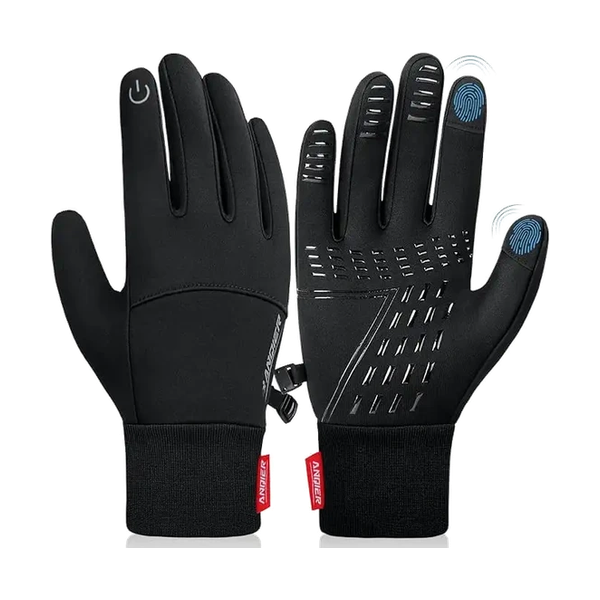
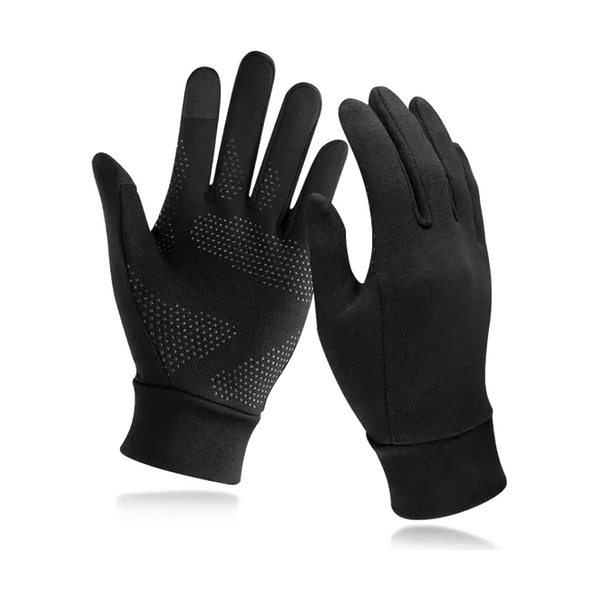
☐ 1 pair of lightweight liner gloves for daytime trekking
☐ 1 pair of midweight fleece or wool gloves
☐ 1 pair of warm, insulated waterproof gloves or mittens for summit night
Gloves or mittens for Kilimanjaro? Mittens generally keep your fingers warmer because they hold them together, while gloves make it easier to handle trekking poles, zips, and other equipment. Gloves with removable liners can offer flexibility in changing conditions.
Choose hand protection that fits comfortably with your other layers and provides enough warmth for the coldest conditions expected on your climb.
Three-layer glove system including lightweight liner gloves, mid-weight fleece gloves, and heavy-duty waterproof insulated gloves for Kilimanjaro summit.
Insulated gloves, warm beanie, and neck gaiter for Kilimanjaro summit night temperatures.
Hiking Socks for Kilimanjaro
Choosing the right hiking socks for Kilimanjaro helps keep your feet comfortable during long trekking days and cold summit conditions. Merino wool and synthetic hiking socks are good options because they manage moisture and help reduce friction when paired with well-fitting hiking boots.
Kilimanjaro hiking sock checklist:
☐ 4–5 pairs of medium-weight merino wool or synthetic hiking socks
☐ 2–3 pairs of thick, warm socks for summit night and cold camps
☐ 1–2 pairs of liner socks (optional, if they fit comfortably and help reduce friction)
☐ 1–2 pairs of clean, comfortable socks for sleeping (optional)
Tip: Make sure your hiking boots fit comfortably with the socks you plan to wear. Avoid socks that bunch up or make your boots too tight, as this can increase friction and discomfort.
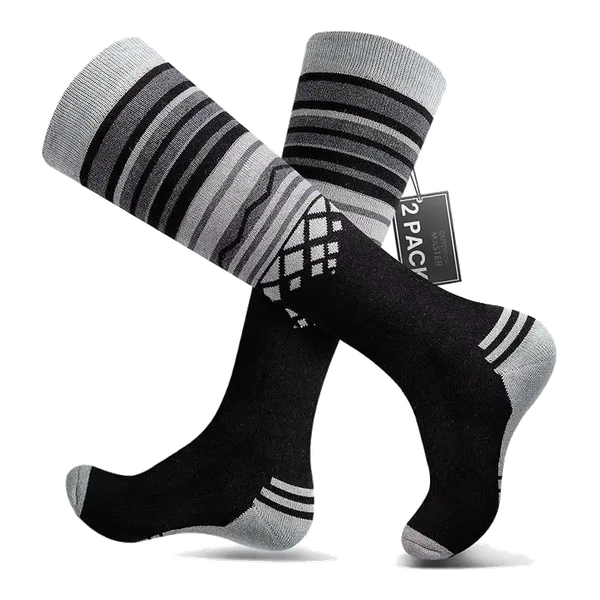
Medium-weight merino wool and synthetic hiking socks plus thick wool socks for Kilimanjaro summit night and cold camps.
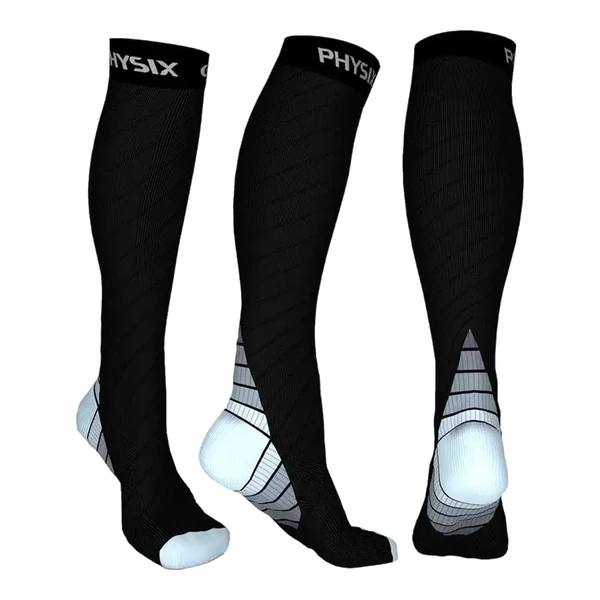
Lightweight socks for sleeping during Kilimanjaro summit night and cold camps.
Expert Tip: How Many Socks to Pack for Kilimanjaro
Bring enough hiking socks to keep your feet dry and comfortable throughout your climb. Many trekkers find that changing into a clean, dry pair each day helps reduce friction and discomfort. Consider packing 6–7 pairs of hiking socks, depending on your route duration and personal needs. Make sure your boots fit comfortably with your chosen socks to help prevent blisters.
Essential Accessories for Climbing Kilimanjaro
Sun Protection
The sun can be intense at high altitude, so sun protection is an important part of your Kilimanjaro packing list.
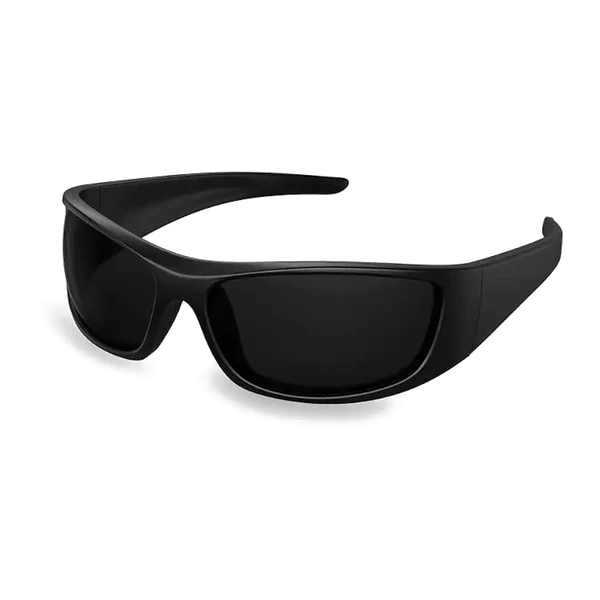
☐ UV-protection sunglasses: Choose Category 3 or 4 sunglasses suitable for high-altitude conditions. Wraparound frames or side protection help reduce glare. Consider carrying a protective case and spare pair.
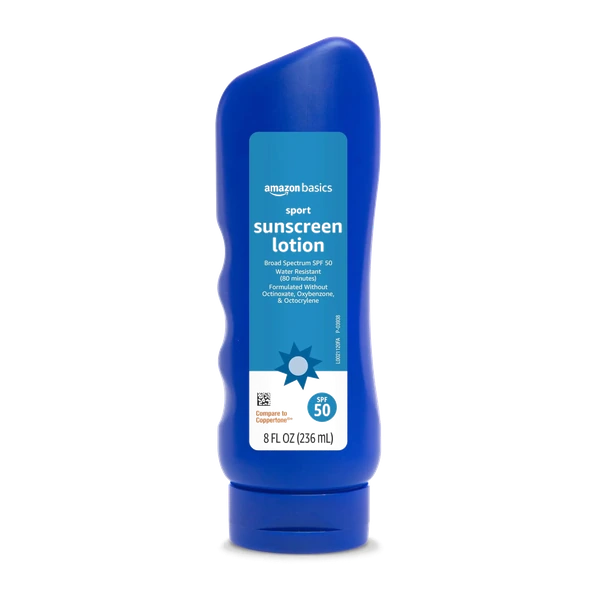
☐ High-SPF sunscreen: Pack SPF 30 or higher; SPF 50 is a good choice for extended exposure.
☐ SPF lip balm: Choose SPF 30 or higher to protect your lips from sun exposure.
☐ Buff or bandana: Useful as a sweatband, dust covering, or extra layer around your neck.
☐ Hand warmers (optional): Chemical heat packs can provide extra warmth on summit night. Follow the product instructions and do not rely on them instead of suitable insulated gloves or mittens.
High-quality UV protection sunglasses Category 4 for Kilimanjaro climbing at high altitude
SPF 50 sunscreen for Kilimanjaro trek sun protection at high altitude
Camp Clothing for Kilimanjaro
After a long day of hiking, having clean, dry clothes to change into at camp can make your Kilimanjaro climb more comfortable. Camp clothing also helps you avoid wearing sweat-damp hiking clothes inside your sleeping bag.
Kilimanjaro camp clothing checklist:
☐ 1 pair of comfortable trousers or sweatpants for evenings in camp
☐ 1–2 long-sleeved shirts for layering when temperatures drop
☐ 1 pair of warm camp booties or thick socks for use inside your tent
☐ 5–7 pairs of underwear, including sports bras if needed
☐ Hand warmers for summit night (optional)
Why are camp clothes important on Kilimanjaro?
Temperatures can fall considerably after sunset, especially at higher camps. Changing into dry clothing helps you stay comfortable and avoid bringing sweat-damp layers into your sleeping bag. Keep your evening clothes dry in a waterproof bag inside your duffel.
Kilimanjaro Footwear: How to Choose the Right Hiking Boots
Choosing the right hiking boots is an important part of preparing for Mount Kilimanjaro. The trail includes forest paths, muddy sections, rocky ground, loose scree, and potentially icy or snowy conditions near the summit.
Your boots should provide reliable traction, a comfortable fit, and enough protection for long hiking days and the steep descent. The best choice depends on your feet, the fit of the boot, and your previous hiking experience.
Hiking Boots for Kilimanjaro: Essential Requirements
Kilimanjaro hiking boot checklist:
☐ 1 pair of comfortable hiking boots suitable for multi-day mountain trekking
☐ Waterproof construction or a waterproof membrane for wet trail conditions
☐ Reliable tread for grip on muddy, rocky, and loose terrain
☐ A secure fit with enough room for your hiking socks and natural toe movement
☐ Adequate support and stability for uneven trails
☐ Boots that have been tested and broken in before your climb
How to Choose Hiking Boots for Kilimanjaro
1. Waterproofing
Waterproof hiking boots can help keep your feet dry during rain and muddy sections of the trail. However, waterproofing alone is not enough: your socks, gaiters if used, and the way you manage wet conditions also affect foot comfort.
2. Ankle Support and Traction
Mid-cut or high-cut boots may provide a supportive feel around the ankle, but the best design depends on your comfort, experience, and the weight you carry. Look for a stable sole with good traction for uneven ground and loose scree, particularly during the descent.
3. Fit and Comfort
Your boots should fit comfortably with the hiking socks you plan to wear on Kilimanjaro. Leave enough room for your toes to move, especially when walking downhill, and make sure your heel does not slip excessively.
Try boots on later in the day, when your feet may be slightly larger. If possible, test them on uphill and downhill terrain before your climb to identify pressure points or rubbing.
4. Breaking In Your Hiking Boots
Do not take brand-new, untested boots straight onto Kilimanjaro. Wear them on several training walks and progressively longer hikes before your climb. This helps you check the fit, become familiar with the boots, and identify potential hot spots before spending several days on the mountain.
There is no single mileage requirement that works for every boot and every hiker. The goal is to have footwear that feels comfortable and has been tested on varied terrain.
Recommended Hiking Boot Brands for Kilimanjaro
Several outdoor brands offer hiking boots that may be suitable for Kilimanjaro, depending on fit, weather protection, and personal preference. Options to explore include:
Salomon: Offers hiking boots designed for varied trail conditions.
Scarpa: Known for mountain and trekking footwear.
La Sportiva: Offers hiking and mountaineering footwear.
Lowa: Produces boots for hiking and outdoor use.
Asolo: Offers trekking boots with different levels of support.
Merrell: Provides hiking footwear across a range of styles.
Prices vary by model, materials, and location. As a general planning estimate, you may find suitable hiking boots in the US$150–$400 range, although prices can fall outside this range.
Final tip: Prioritize fit and comfort over brand name. A well-fitting pair of boots that you have tested on long walks is a better choice than an expensive pair that causes rubbing or discomfort.
Camp Shoes for Kilimanjaro
After several hours of hiking each day, changing out of your trekking boots at camp can help your feet feel more comfortable. Lightweight camp shoes allow your feet to air out and give you a break from your hiking boots in the evenings.
Kilimanjaro camp shoe checklist:
☐ 1 pair of lightweight camp shoes, sandals, or comfortable slip-on shoes
Which camp shoes should you pack for Kilimanjaro?
Here are some options to consider, depending on your budget and personal preference:
Lightweight trail runners: Comfortable and supportive, although they take up more space than sandals or clogs.
Sport sandals with secure straps: Allow your feet to breathe and are easy to put on at camp.
Crocs or slip-on clogs: Lightweight, comfortable, and convenient for use around camp.
Lightweight hiking sandals: Offer a balance of breathability and support.
Camp shoes are mainly for use around camp rather than as a replacement for suitable hiking boots. Choose footwear that is comfortable, easy to pack, and suitable for the conditions at your overnight camps.
Gaiters for Kilimanjaro: Are They Necessary?
Gaiters cover the gap between your trousers and hiking boots, helping prevent dirt, small stones, mud, and snow from entering your footwear. They can also help keep your trousers cleaner during the trek.
Kilimanjaro gaiter checklist:
☐ 1 pair of gaiters compatible with your hiking boots
Types of gaiters for Kilimanjaro
Full-length gaiters: Extend up the lower leg and provide more protection against mud, rain, loose debris, and snow.
Ankle gaiters: Offer lighter protection against small stones, dirt, and debris while taking up less space in your pack.
When are gaiters most useful?
Gaiters can be particularly helpful on muddy trail sections and during the summit approach, where loose scree, dust, or snow may be present. They are useful additional protection, but the level of protection you need depends on the route, weather, and trail conditions.
Prices vary by brand and design, so compare options based on fit, durability, weight, and the conditions you expect to encounter.
Technical Gear for Climbing Kilimanjaro
Mount Kilimanjaro is generally climbed without technical mountaineering equipment on its standard trekking routes. Ropes, ice axes, and crampons are not normally required under typical conditions, although equipment needs can change with weather, route conditions, and the specific climb.
Some hiking equipment can make the journey more comfortable and help you maintain balance on uneven terrain. Trekking poles are one of the most useful items to consider.
Trekking Poles for Kilimanjaro
What you need:
☐ 1 pair of adjustable trekking poles (highly recommended)
Trekking poles can help improve balance on uneven trails and reduce the load on your legs during long descents. Many climbers find them especially useful on the steep descent from the summit, where loose ground and tired legs can make walking more demanding.
Features to look for in Kilimanjaro trekking poles
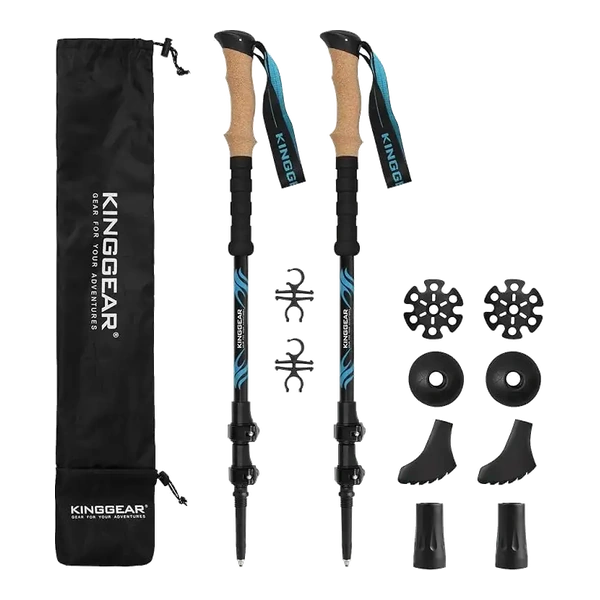
Adjustable length: Allows you to shorten the poles for uphill walking and lengthen them for downhill sections.
Anti-shock system (optional): May improve comfort for some users, although it is not essential.
Comfortable grips: Cork and foam grips are popular options for long hiking days.
Suitable tips: Carbide tips provide grip on many natural trail surfaces. Rubber tips can be useful on hard surfaces and around camp.
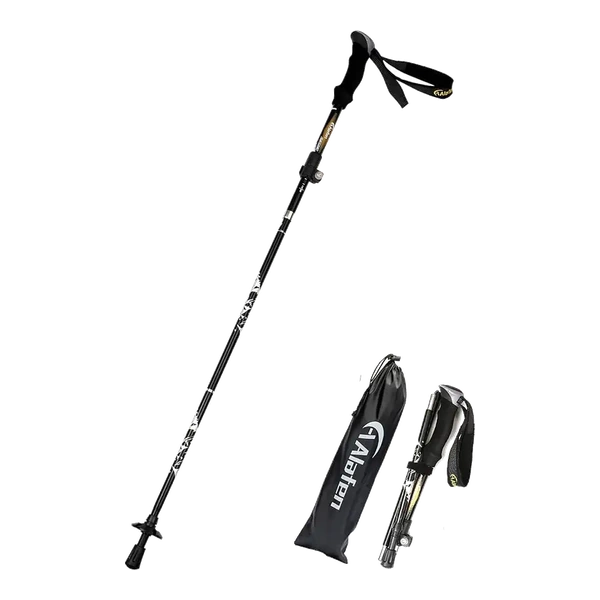
Collapsible design: Makes the poles easier to pack or attach to your backpack.
Reliable locking mechanism: Choose twist-lock or lever-lock poles that adjust securely and stay in place.
Aluminum vs Carbon-Fiber Trekking Poles
Both aluminum and carbon-fiber poles can work well for climbing Kilimanjaro. The right choice depends on your budget, preferred weight, and how you expect to use them.
Aluminum trekking poles: Usually more affordable and can tolerate bending under impact, although they tend to be heavier.
Carbon-fiber trekking poles: Generally lighter, but can be more vulnerable to damage from sharp impacts.
Choose poles that feel comfortable in your hands and adjust securely. You do not need the most expensive model; reliable construction and a comfortable fit matter more than the material alone.
Aluminum trekking poles with adjustable height for Kilimanjaro hiking knee support and balance.
Lightweight carbon fiber trekking poles for Mount Kilimanjaro climbing reducing pack weight.
Can You Rent Trekking Poles for Kilimanjaro?
Yes, many Kilimanjaro tour operators offer trekking pole rentals, which can be a cost-effective option if you do not own poles or do not plan to use them again after your climb. Rental prices vary by operator, so confirm the cost and availability before your trip.
Our advice: Practise using trekking poles on training walks before climbing Kilimanjaro. Learning how to adjust their length and coordinate your movements takes practice, especially on steep uphill and downhill sections.
Headlamp for Kilimanjaro: What You Need
A headlamp is an essential item on your Kilimanjaro packing list. You will need hands-free lighting for moving around camp after dark and during the summit-night climb, which usually begins before sunrise.
Kilimanjaro headlamp checklist:
☐ 1 LED headlamp with adjustable brightness
☐ At least 1 full spare set of batteries; 2 spare sets are recommended
☐ Extra batteries compatible with your headlamp
Tip: Test your headlamp before leaving home and pack spare batteries in a dry bag. If you use a rechargeable headlamp, make sure it is fully charged and consider bringing a suitable backup power source.
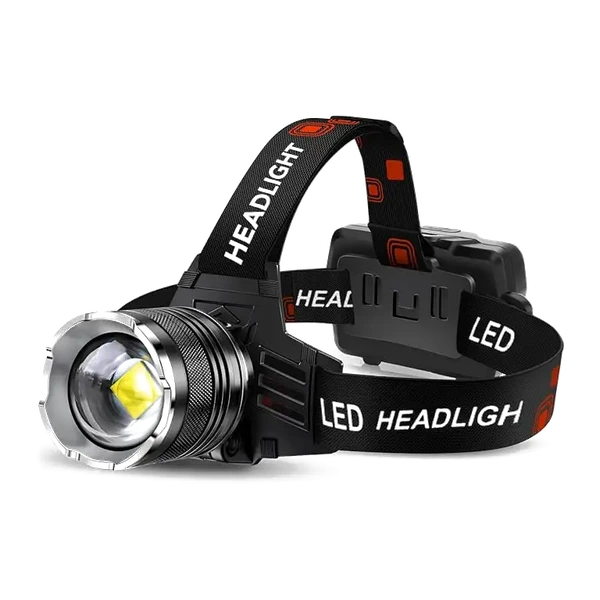
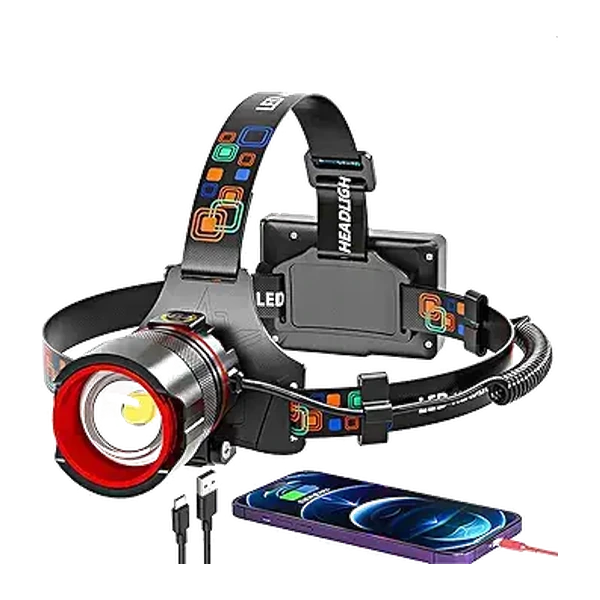
LED headlamp with adjustable brightness settings for Kilimanjaro night climbing and camp use.
LED headlamp with adjustable brightness settings for Kilimanjaro night climbing and camp use
Headlamp for Kilimanjaro: Essential Features and Buying Guide
A headlamp is essential for climbing Kilimanjaro, particularly during the summit-night ascent, which usually begins around midnight or in the early hours of the morning. You will also use it to move around camp after dark, visit the toilet at night, and see clearly if you need to deal with an unexpected situation.
What to Look for in a Kilimanjaro Headlamp
When choosing the best headlamp for Kilimanjaro, consider these important features:
Brightness: Look for a headlamp with at least 100 lumens; 200 lumens or more can provide better visibility on dark trails.
Adjustable brightness: Multiple settings let you use brighter light while hiking and a lower setting around camp.
Red-light mode: Helps preserve night vision and is less disruptive to other climbers at camp.
Adjustable headband: Make sure it fits comfortably over a warm hat or other summit-night headwear.
Water resistance: An IPX4 rating or higher can help protect against splashes and rain.
Battery life: Choose a model that can provide sufficient light for your expected hiking time, and check how battery life changes at higher brightness settings.
Cold-weather performance: Low temperatures can affect battery performance, so check the manufacturer's recommendations for cold conditions.
Headlamp battery tips for Kilimanjaro
Cold conditions near the summit can reduce battery performance. Carry spare batteries or a suitable backup power source, depending on your headlamp type. Keep spare batteries protected from moisture and follow the manufacturer's storage recommendations.
Budget: Headlamps vary in price depending on brightness, battery type, durability, and features. Choose a reliable model that provides enough light for the summit ascent rather than focusing on brightness alone.
Water Bottles and Hydration Systems for Kilimanjaro
Carrying enough water is an important part of your Kilimanjaro packing list. Choose a hydration system that is comfortable to carry, easy to use while hiking, and suitable for cold conditions at higher elevations.
Kilimanjaro hydration checklist:
Choose one of the following setups, depending on your preference and the advice of your trekking operator:
☐ 2–3 wide-mouth water bottles, each with approximately 1 litre capacity, for a total of 2–3 litres
☐ 1 hydration bladder with a 2–3 litre capacity, plus 1 additional water bottle
Wide-mouth bottles are generally easy to fill and clean. A hydration bladder allows you to drink without stopping to remove a bottle from your backpack, although its drinking tube may freeze in very cold conditions.
Before your climb, test your chosen system on training hikes and make sure you can access and drink your water comfortably. Follow your guide's advice about hydration and the amount of water to carry for each stage of the trek.
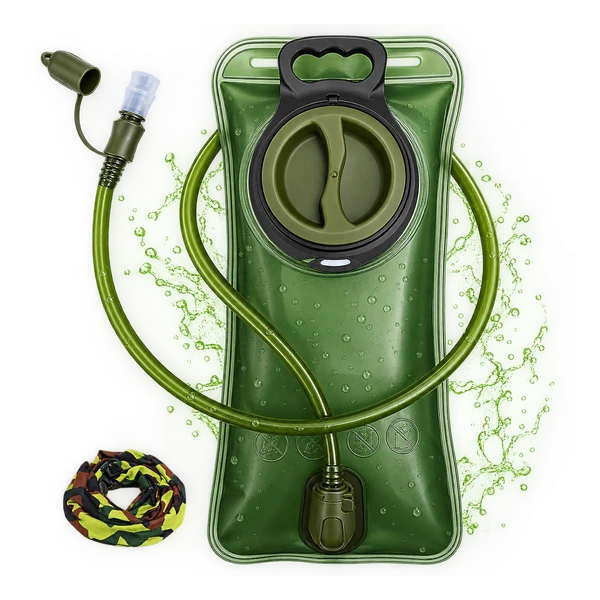
Wide-mouth water bottles and hydration bladder system for Kilimanjaro climbing, showing 2-3-liter capacity options.
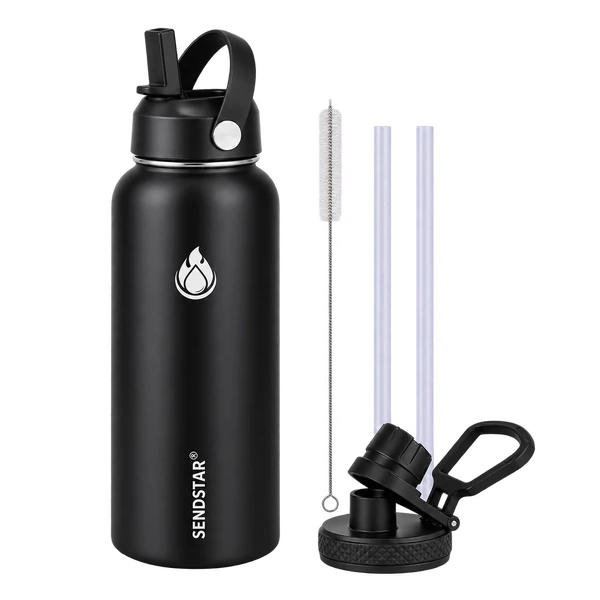
Wide-mouth 1-liter water bottles for Kilimanjaro trek, minimum 1.5 liters total capacity required.
Water Bottles and Hydration on Kilimanjaro
Staying hydrated is an important part of preparing for a Kilimanjaro climb. You lose water through sweating and breathing, and trekking for several hours each day can increase your fluid needs. However, drinking extra water does not prevent acute mountain sickness (AMS). Proper acclimatization, a suitable itinerary, and recognizing altitude sickness symptoms are essential.
Drink regularly throughout the day and adjust your intake to your activity level, weather, and thirst. Avoid forcing yourself to drink excessive amounts of water.
Water Bottles vs. Hydration Bladders for Kilimanjaro
Both water bottles and hydration bladders can work well on Kilimanjaro. The best option depends on your preferences, the weather, and how you plan to carry your water.
Water bottles
Easy to refill and clean.
Allow you to monitor how much water you have left.
Wide-mouth bottles are convenient for filling and cleaning.
Insulated bottles can help keep water from getting too cold in freezing conditions.
Can be filled with warm water when suitable, although bottles should be securely closed and kept away from direct skin contact inside your sleeping bag.
Hydration bladders
Allow hands-free drinking while walking.
Make it easier to take frequent sips during daytime trekking.
Can be harder to clean and check how much water remains.
The drinking tube may freeze in very cold conditions, particularly during summit night.
What Is the Best Hydration System for Kilimanjaro?
A practical option is to carry a hydration bladder for daytime trekking and a water bottle for backup. For higher camps and summit night, consider an insulated bottle and a plan to prevent your drinking tube from freezing. You can also use bottles alone if you prefer a simpler system.
Choose a setup that you have tested before the climb and that allows you to carry enough water for each section of the route. Follow your guide's advice on water availability and safe drinking water.
Bags and Packs for Kilimanjaro
Choosing the right bags for Kilimanjaro helps protect your equipment, organize your clothing, and make carrying your gear more manageable. Most climbers use a duffel bag for equipment transported by porters and a daypack for personal items needed during the day's hike.
Kilimanjaro Duffel Bag: What Size Do You Need?
What to pack:
☐ 1 large, soft-sided duffel bag, typically around 70–90 litres
☐ Waterproof or water-resistant protection, such as a rain cover or internal dry bags
☐ Packing cubes or stuff sacks to organize clothing and equipment
Your duffel holds the clothing, sleeping equipment, and other items that porters transport between camps. Many operators set a maximum porter load of approximately 15 kg (33 lb) for a climber's bag, but rules and what counts toward the limit can vary. Confirm your operator's requirements before packing.
Features to Look for in a Kilimanjaro Duffel Bag
Water-resistant or waterproof protection: Helps protect clothing and sleeping equipment from rain.
Durable construction: Choose materials, handles, and seams designed for outdoor travel.
Soft-sided design: Flexible bags are generally easier to pack and transport on the mountain.
No wheels: A traditional duffel avoids the extra weight and bulk of wheels.
Compression straps: Help secure the contents and reduce unnecessary bulk.
Strong zippers and handles: Useful for repeated handling throughout the climb.
How to Pack Your Kilimanjaro Duffel Bag
Use dry bags or waterproof stuff sacks to separate your clothing, sleeping gear, and other equipment. This helps keep important items dry and makes it easier to find what you need at camp without unpacking everything.
Keep the duffel within your tour operator's weight limit, and place items you need during the day in your daypack rather than relying on access to the porter-carried bag while hiking.
Recommended Duffel Bags for Kilimanjaro
Outdoor brands with duffel bags worth comparing include:
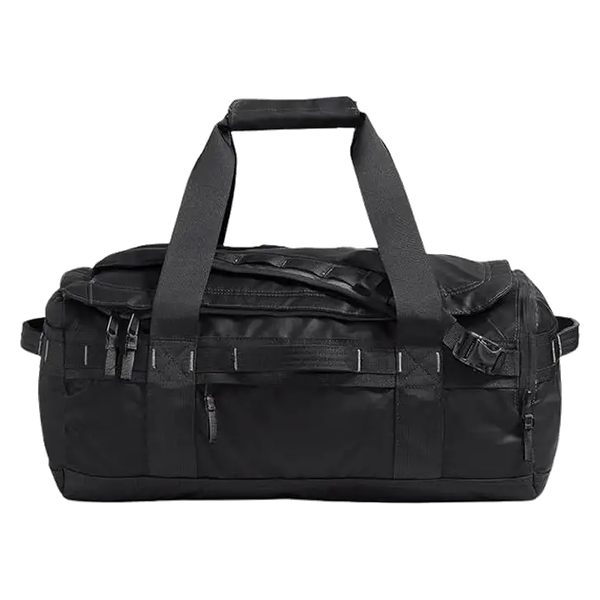
The North Face Base Camp Duffel
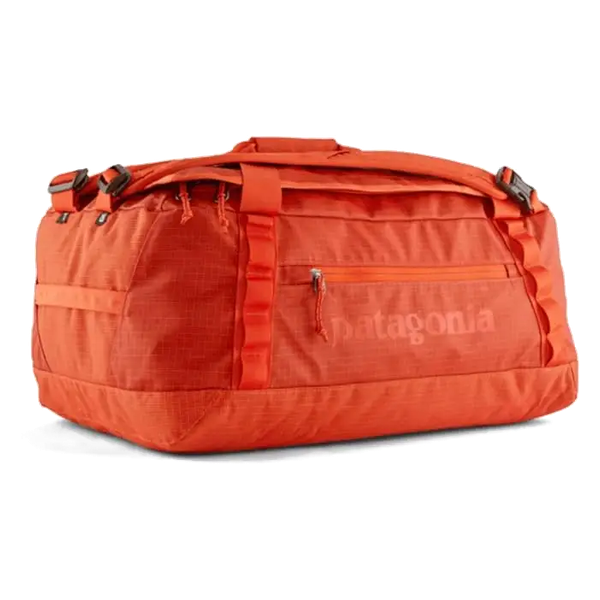
Patagonia Black Hole Duffel
Sea to Summit duffel bags
Osprey Transporter Duffel
Compare capacity, durability, weather protection, weight, and price before choosing a bag. You do not need the most expensive model; a sturdy duffel with reliable weather protection is the priority.
Patagonia Black Hole Duffel bag for Kilimanjaro climbing gear and equipment storage
The North Face Base Camp Duffel and Patagonia Black Hole Duffel bags recommended for Kilimanjaro gear transport
Daypack for Kilimanjaro: What Size Do You Need?
Your daypack is one of the most important items on your Kilimanjaro packing list. Unlike your main duffel bag, which porters carry between camps, your daypack stays with you throughout the day's trek. It should have enough space for water, snacks, extra clothing, rain protection, and other essentials without becoming unnecessarily heavy.
What you need:
☐ 1 comfortable hiking daypack with a capacity of approximately 25–35 litres
☐ Adjustable shoulder straps and a supportive hip belt
☐ A rain cover or waterproof liner to protect your belongings
What to Pack in Your Kilimanjaro Daypack
Use this checklist to prepare your daypack for each day on the mountain:
☐ Drinking water, with capacity based on your itinerary and guide's advice
☐ Snacks and energy bars
☐ An extra insulating layer, such as a fleece or lightweight down jacket
☐ Waterproof jacket and trousers
☐ Warm hat and gloves
☐ Sunscreen and SPF lip balm
☐ UV-protection sunglasses
☐ Camera and phone
☐ Headlamp
☐ Personal first-aid supplies
☐ Toilet paper and wet wipes
☐ Any required medication
☐ Rain cover or waterproof bags for important items
How Heavy Should Your Kilimanjaro Daypack Be?
Keep your daypack as light as practical while carrying everything you need for safety and comfort. The weight will depend on how much water you carry, the weather, and your personal equipment. Try packing your daypack before the trip and take it on training hikes to check its fit and weight.
Our advice: Carry your daypack as cabin luggage when flying to Tanzania, if your airline's baggage rules allow it. Keep essential medication, valuables, and any critical items you may need if your checked luggage is delayed in your cabin bag. Pack spare clothing and other essentials according to airline baggage and liquid restrictions.
Sleeping Equipment for Kilimanjaro
A suitable sleeping bag and sleeping mat help you stay warm and comfortable at mountain camps, where nighttime temperatures can fall significantly as you gain elevation. Good sleep supports recovery during the climb, although sleeping equipment alone cannot prevent altitude sickness.
You can bring your own sleeping equipment or ask your tour operator about rental options before your trip.
Sleeping Bag for Kilimanjaro: What Temperature Rating Do You Need?
What you need:
☐ 1 sleeping bag with a comfort temperature rating suitable for the coldest conditions expected on your itinerary
☐ A sleeping bag liner (optional) for added comfort and easier cleaning
The appropriate sleeping bag rating depends on your route, camping elevations, season, and how easily you feel cold. For many Kilimanjaro climbs, a bag with a comfort rating around −10°C to −15°C is worth considering, but check the expected conditions and your operator's recommendations before purchasing or renting one.
Sleeping Bag Temperature Ratings
Sleeping bags may display several temperature ratings. Understanding the difference helps you choose a bag suited to cold mountain nights.
Comfort rating: The temperature at which the bag is expected to provide comfortable sleep under the manufacturer's testing conditions.
Limit rating: A lower temperature rating associated with a curled-up sleeping position and less comfortable conditions.
Extreme rating: A survival-related rating that should not be used as the temperature for planning a comfortable night's sleep.
When choosing a sleeping bag for Kilimanjaro, pay particular attention to the comfort rating. If you tend to feel cold while sleeping, discuss a warmer option with your equipment supplier or tour operator.
Down vs Synthetic Sleeping Bags for Kilimanjaro
Both down and synthetic sleeping bags can work for a Kilimanjaro climb. The best option depends on your budget, expected weather, packing space, and how you plan to use the bag after your trek.
Down Sleeping Bags
Advantages:
Excellent warmth relative to weight
Compresses well for easier packing
Often a good choice for climbers who need lightweight equipment
Disadvantages:
Can be more expensive
Requires protection from moisture to maintain insulation
Needs appropriate storage and care
Best suited for: Climbers prioritizing low weight and compact packing, especially those planning future trekking trips.
Synthetic Sleeping Bags
Advantages:
Often more affordable
Generally maintains insulation better than down when damp
Usually easier to care for
Disadvantages:
Often heavier and bulkier for a similar warmth rating
May take up more space in your duffel bag
Best suited for: Climbers looking for a practical, budget-conscious option or who prefer insulation that is less sensitive to damp conditions.
Final tip: Before buying a sleeping bag, confirm whether your Kilimanjaro package includes one or offers rentals. Check its comfort rating and condition, and make sure it is suitable for the overnight temperatures expected on your chosen route.
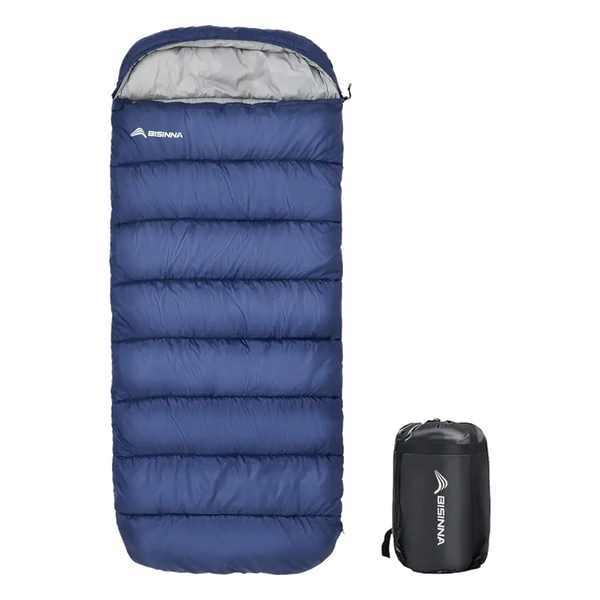
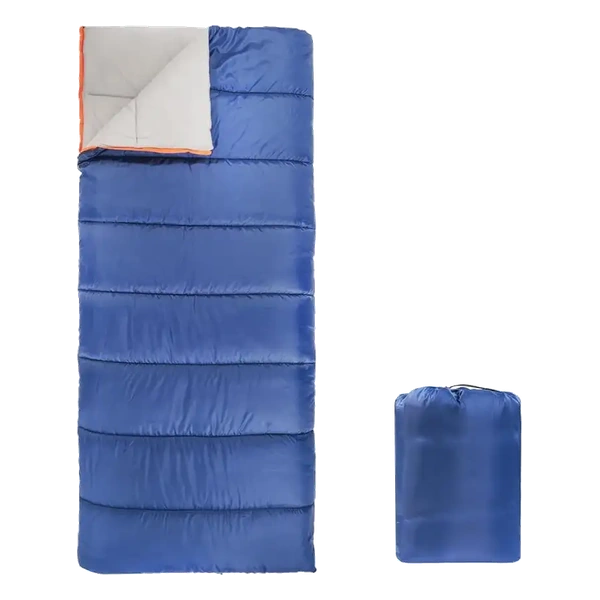
Down sleeping bag rated for 30°F temperatures, essential gear for climbing Mount Kilimanjaro
Down sleeping bag rated for 30°F temperatures, essential gear for climbing Mount Kilimanjaro
Essential Sleeping Bag Features for Kilimanjaro
When choosing a sleeping bag for climbing Mount Kilimanjaro, look for features that help retain warmth and improve comfort at cold mountain camps.
Features to look for:
Insulated hood with a drawstring: Helps retain warmth around your head.
Draft tube: An insulated strip along the zipper that helps prevent heat loss.
Two-way zipper: Allows ventilation when you need to adjust your temperature.
Compression or stuff sack: Makes the sleeping bag easier to pack and carry.
A suitable sleeping bag can cost approximately $150–$600, depending on its temperature rating, insulation, brand, and materials. Prices vary, so compare the comfort rating and features before buying.
Renting a Sleeping Bag for Kilimanjaro
If you do not plan to use a sleeping bag regularly after your climb, renting may be a practical and more affordable option. Some Kilimanjaro tour operators offer sleeping bag rentals, but prices and equipment quality vary.
Before renting, confirm the cost for the full climb, the bag's comfort temperature rating, and whether it is clean and in good condition. Ask your tour operator whether a bag suitable for the coldest expected conditions on your itinerary is available.
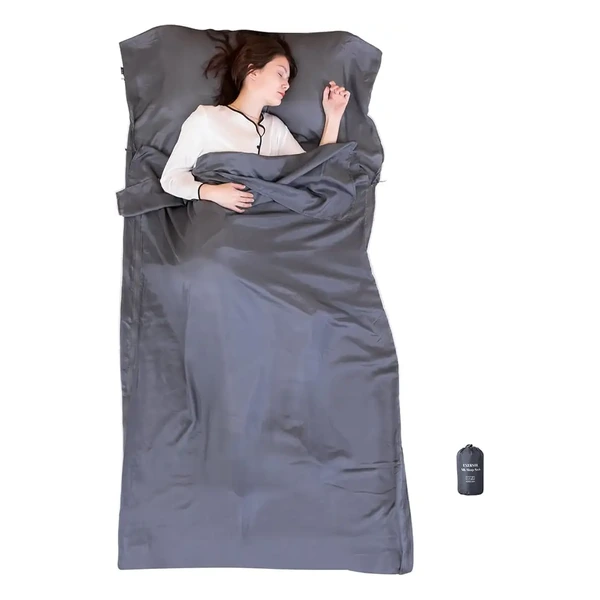
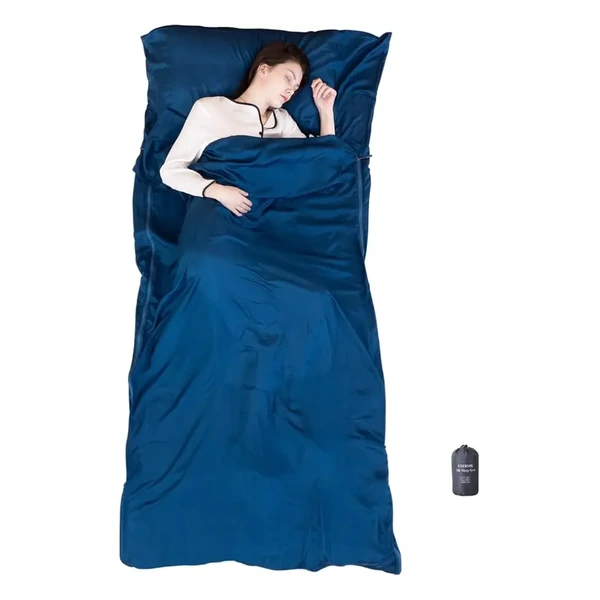
Sleeping Bag Liner for Kilimanjaro
A sleeping bag liner is an optional addition to your Kilimanjaro packing list. It can provide extra comfort, help keep your sleeping bag clean, and add some warmth, depending on the material.
What you need:
☐ 1 sleeping bag liner made from silk, fleece, or synthetic fabric
Tip: Choose a liner based on your comfort, packing space, and expected temperatures. A liner adds warmth but should not replace a sleeping bag with a suitable comfort rating for your climb.
Sleeping bag liner for Kilimanjaro trek showing silk, fleece, and synthetic options for warmth and hygiene
Sleeping bag liner for Kilimanjaro trek showing silk, fleece, and synthetic options for warmth and hygiene
Why Use a Sleeping Bag Liner on Kilimanjaro?
A sleeping bag liner can make your nights on Mount Kilimanjaro more comfortable. It provides an extra layer between you and your sleeping bag, helps keep the bag clean, and may add warmth depending on the liner material and sleeping bag combination.
Benefits of a sleeping bag liner:
Extra warmth: Fleece and some thermal liners can provide additional insulation. The amount varies by material, so check the manufacturer's guidance rather than relying on a fixed temperature increase.
Better hygiene: Liners are easier to wash than sleeping bags and are useful when renting equipment.
Lower-camp comfort: In warmer conditions, you may be able to use a liner on its own if the temperature allows.
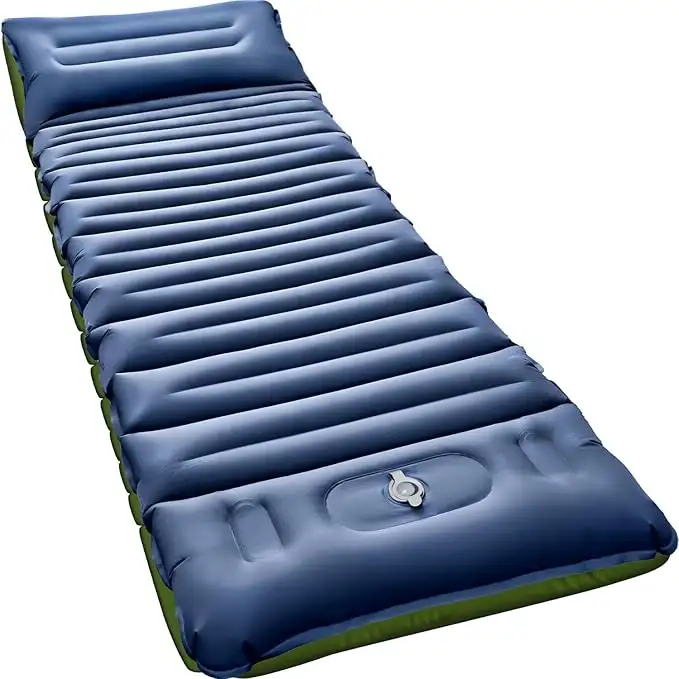
Sleeping Pad for Kilimanjaro: Do You Need Your Own?
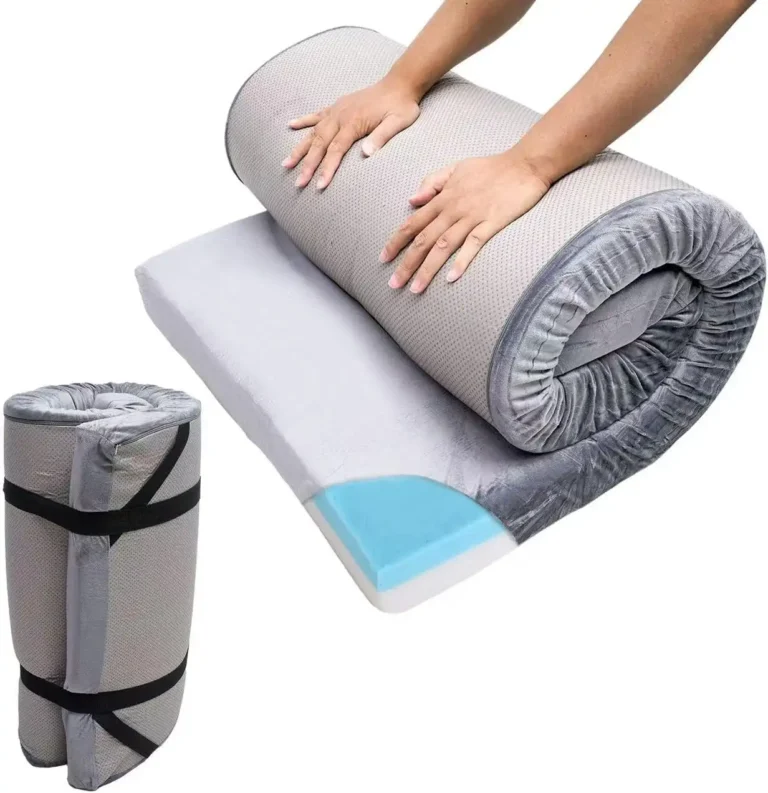
A sleeping pad provides cushioning between you and the ground and helps reduce heat loss while sleeping in a tent. Most Kilimanjaro tour operators include a basic foam sleeping mat in their packages, but you should confirm what your chosen operator provides.
What you need:
☐ 1 insulated sleeping pad (optional if your tour operator provides one)
A basic foam mat may be sufficient for some climbers. If you prefer more cushioning, tend to feel cold at night, or need additional support for comfort, consider bringing or renting an insulated inflatable sleeping pad.
Before your climb, ask your operator about the type and thickness of the sleeping mat included. If you plan to rent an upgraded pad, confirm its availability, insulation, and total rental cost.
Sleeping pad for Kilimanjaro camping, essential gear for comfortable mountain trekking
Foam sleeping mat for Kilimanjaro camping, essential gear for comfortable mountain trekking
Camp Pillow for Kilimanjaro
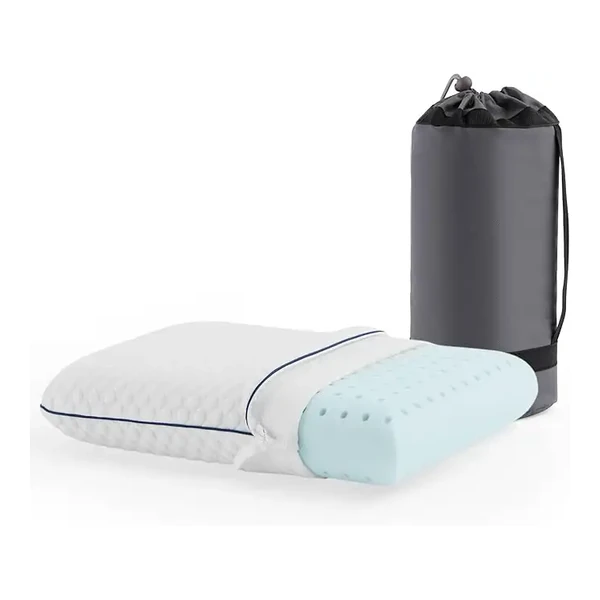
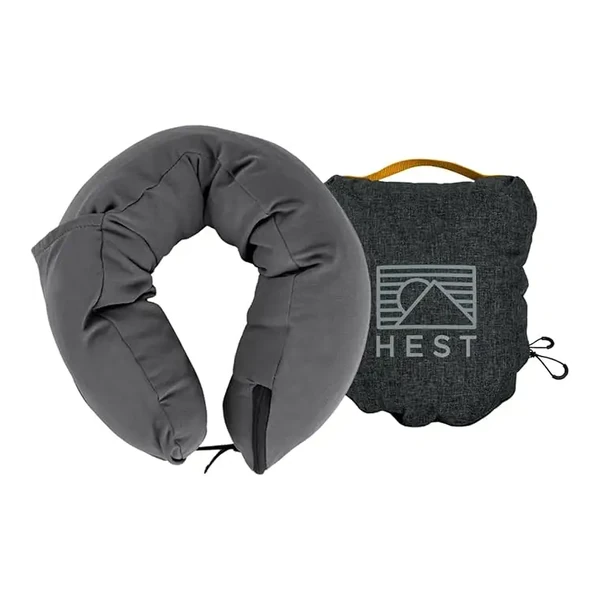
A camp pillow is an optional item on your Kilimanjaro packing list, but it can make sleeping in a tent more comfortable after a long day of trekking. An inflatable pillow is lightweight, compact, and easy to pack.
What you need:
☐ 1 inflatable camping pillow (optional but recommended)
Estimated cost: $15–$40, depending on the brand and features.
Tip: If you prefer not to carry an extra item, you can use a soft jacket or spare clothing inside a stuff sack as an alternative pillow.
Weekender gel memory foam camping pillow for Mount Kilimanjaro trek packing list
Kilimanjaro Camping Pillow
Why Bring a Camp Pillow?
Good sleep helps you recover between trekking days, while proper acclimatization depends on factors such as a gradual ascent and allowing your body time to adjust to altitude. A small inflatable pillow can improve sleeping comfort and usually packs down small enough to fit easily in your duffel bag.
Alternative: Put a down jacket or spare clothes inside a stuff sack to make a simple pillow without carrying extra equipment.
Personal Items and Toiletries for Kilimanjaro
Hygiene and Toiletries for the Climb
Shower facilities are generally unavailable during a Kilimanjaro trek, so personal hygiene relies on wet wipes, hand sanitizer, and small amounts of water for washing. Your crew may provide a basin of water at camp, depending on your tour package.
What you need:
☐ Toothbrush and travel-size toothpaste
☐ Small amount of biodegradable soap
☐ Small quick-dry or microfiber towel
☐ Wet wipes for daily cleaning
☐ Hand sanitizer
☐ Toilet paper (about 1–2 rolls)
☐ Feminine hygiene products, if needed
☐ Deodorant (optional)
☐ Hairbrush or comb (optional)
☐ Prescription medications in their original packaging
☐ Personal first-aid supplies, including blister treatment and suitable pain relief
Pack toiletries in sealed bags to prevent leaks and keep them separate from clothing and sleeping equipment. Follow your guide's advice on washing and disposing of waste responsibly.
Sun and Skin Protection on Kilimanjaro
The sun can be strong on Mount Kilimanjaro, and ultraviolet exposure generally increases with altitude. Protecting your skin and lips is important throughout the climb, including on cloudy days.
Essential items:
☐ Broad-spectrum sunscreen, SPF 30 or higher (SPF 50 is a good choice)
☐ SPF 30+ lip balm
☐ After-sun lotion or aloe vera gel (optional)
Apply sunscreen before heading out and reapply according to the product instructions, especially after sweating or wiping your face. Use a hat, sunglasses, and suitable clothing for additional protection.
Why it matters: Sunburn can cause pain and make trekking less comfortable. Regular sun protection helps reduce the risk of skin damage during long days outdoors.
Personal First-Aid Kit for Kilimanjaro
Your tour operator should explain what medical equipment and emergency support are provided by the mountain crew. You should also carry personal supplies for common minor problems and any medication you need.
Recommended personal first-aid items:
☐ Blister prevention and treatment, such as blister plasters or moleskin
☐ Suitable pain relief, if safe for you to use
☐ Anti-diarrhoeal medication, if appropriate
☐ Antihistamine for allergies, if suitable
☐ Antiseptic wipes
☐ Small bandages and medical tape
☐ Personal prescription medications, with extra supplies in case of delays
☐ Any medication prescribed for altitude-related illness
Altitude Sickness Medication
Speak with a qualified healthcare professional before your climb about whether acetazolamide (Diamox) is appropriate for you. It is sometimes prescribed to help prevent acute mountain sickness (AMS), but it is not suitable for everyone and should be used according to medical advice.
Do not start altitude medication or choose a dose based solely on online packing advice. Medication does not replace gradual ascent, monitoring symptoms, or following your guide's safety instructions.
Electronics and Technology for Kilimanjaro
Electronic devices can help you take photos, stay organised, and track your trek. However, cold temperatures can reduce battery performance, and charging facilities on the mountain may be limited or unavailable.
Recommended electronics:
☐ Smartphone or camera
☐ Extra memory cards, if needed
☐ Portable power bank (10,000 mAh or higher)
☐ Charging cables for all devices
☐ Suitable power adapter for Tanzania
☐ GPS watch (optional)
Tips for Using Electronics on Kilimanjaro
Protect batteries from the cold: Keep your phone, camera, and spare batteries insulated when not in use.
Charge before the climb: Fully charge your devices and power banks before leaving for the mountain.
Bring the right adapter: Tanzania commonly uses Type D and Type G sockets, so check your device plugs and bring a compatible adapter.
Do not rely on charging at camp: Electricity and charging services vary by operator and camp. Confirm availability before your trek and bring enough power for essential devices.
Keep valuables protected: Carry important electronics and essential items in your cabin baggage when flying, subject to airline rules. Keep devices protected from rain and moisture during the trek.
Money and Documents for Climbing Kilimanjaro
Prepare your travel documents and money before arriving in Tanzania. Keep essential documents secure and carry digital copies in case the originals are lost or misplaced.
Essential Travel Documents
Use this checklist to prepare for your Kilimanjaro climb:
☐ Passport valid for the period required by Tanzanian immigration
☐ Photocopy of your passport, stored separately from the original
☐ Tanzania visa or confirmation of visa approval, if applicable
☐ Travel insurance documents, including emergency contact details and confirmation of trekking and high-altitude coverage
☐ Flight tickets and travel itinerary
☐ Yellow fever vaccination certificate, if required for your journey
☐ Hotel reservation confirmations
☐ Tour operator's contact information and booking confirmation
Digital backups: Photograph or scan your important documents and store copies securely in cloud storage or your email account. Keep access details secure and consider saving copies offline in case you cannot access the internet.
Money for Your Kilimanjaro Trip
Bring a suitable combination of cash and payment cards for expenses before and after the climb.
☐ Cash for tips and personal expenses
☐ US dollar notes in good condition for payments that accept USD
☐ Credit or debit cards for hotels, restaurants, and other businesses that accept them
☐ Small Tanzanian shilling notes for local purchases in Arusha or Moshi
If you plan to bring US dollars, check the banknote requirements of your tour operator and any business you expect to pay. Acceptance can depend on the note's condition and issue date.
Kilimanjaro Packing List: What to Rent vs. What to Buy
You do not need to purchase every item of equipment for climbing Mount Kilimanjaro. Renting some bulky or expensive items in Tanzania can reduce luggage costs, while buying personal gear ensures you have equipment that fits and feels comfortable.
The best choice depends on your budget, the equipment included in your tour package, and whether you plan to trek again.
Kilimanjaro Gear You Should Bring or Buy
Some items are best brought from home because they need to fit properly, be familiar, or meet your personal hygiene needs.
Recommended personal equipment:
Hiking boots that have been worn in before the climb
Hiking socks and underwear
Base layers, hiking trousers, and shirts
Gloves, warm hats, and other personal clothing
Daypack
Headlamp
Sunglasses
Water bottles or hydration system
Toiletries and personal medication
Camp shoes
Check that your clothing fits comfortably over other layers and that your boots work well with your hiking socks. Avoid starting the climb with brand-new boots that have not been tested on training hikes.
Kilimanjaro Equipment You Can Consider Renting
Renting can be a practical option for bulky equipment that you may not use regularly after the climb. Availability, prices, and equipment quality vary by operator and rental provider.
Equipment
Why consider renting?
Sleeping bag
Avoid buying an expensive bag if you rarely camp in cold conditions.
Trekking poles
Save luggage space if you do not own a suitable pair.
Duffel bag
Your operator may provide one that meets its packing requirements.
Insulated down jacket
A useful option if you do not expect to use it on future trips.
Gaiters
Worth considering if you do not normally hike in muddy, dusty, or snowy conditions.
Ask about rental prices before travelling. Confirm the sleeping bag's comfort rating, check that jackets are warm enough for the expected conditions, and test trekking poles to make sure their locking mechanisms work properly.
Some tour operators include selected rental items in their packages, so check what is provided before paying for equipment separately.
Kilimanjaro Gear Worth Buying for Future Trips
If you plan to climb other mountains or go camping regularly, buying certain items may offer better long-term value.
Sleeping bag: Consider buying one if you expect to camp in cold conditions again.
Insulated jacket: A quality down or synthetic jacket can be useful for future mountain trips and cold-weather travel.
Trekking poles: Worth owning if you hike regularly.
Duffel bag: Useful for future safaris, trekking trips, and adventure travel.
Choose equipment based on your future needs, not just the Kilimanjaro climb. Compare purchase prices with rental costs and consider how often you will use each item.
Where to Rent Kilimanjaro Equipment in Tanzania
We can arrange equipment rentals directly or through local suppliers. Ask your operator about available sizes, equipment condition, rental fees, and what is included in your package before your arrival.
Before accepting rented equipment:
☐ Inspect sleeping bags and jackets for cleanliness, damage, and working zippers.
☐ Check that trekking poles adjust and lock securely.
☐ Confirm that all required accessories and storage bags are included.
☐ Ask about return arrangements and any damage charges.
☐ Report existing damage before taking the equipment.
Arrange rentals in advance where possible, especially if you need a particular clothing size or sleeping bag specification.
Kilimanjaro Porter Weight Limits
Porter weight limits are an important part of preparing your Kilimanjaro packing list. Your tour operator should explain the applicable limit and how your luggage will be weighed before the climb.
A commonly used packing allowance is up to 15 kg (33 lb) for your duffel bag, but confirm the current rules and your operator's requirements before travelling. The porter's total load also includes other assigned equipment and supplies, so the duffel allowance is not the same as the porter's total load limit.
What Goes Into Your 15 kg Duffel Bag?
Your duffel generally contains the items you will not need to carry during the day's trek.
Clothing and spare layers
Camp clothing and footwear
Sleeping bag, if bringing your own
Sleeping mat, if bringing your own
Toiletries and personal items
Spare snacks, where permitted
Other equipment assigned to your duffel
Include the weight of the duffel bag itself when checking your packed luggage. Items you carry in your daypack are separate, but keep that pack comfortable and avoid moving too much weight into it simply to meet the duffel limit.
Packing tip: Use a luggage scale to weigh your duffel before leaving home and again at your hotel in Tanzania. This gives you time to adjust your packing before the climb begins.
What If Your Duffel Bag Is Over the Weight Limit?
If your bag exceeds the permitted weight, you may need to remove non-essential items, leave some belongings securely at your hotel, or discuss alternatives with your tour operator. An additional porter may be possible, but availability and charges vary, and any arrangement must comply with the applicable porter regulations.
Do not assume that paying an extra fee allows you to exceed an individual porter's permitted load. Confirm the rules with your operator and pack within the stated limit to help protect porter welfare.
Kilimanjaro Packing List for Different Routes
The main Kilimanjaro packing list is similar across all routes, but your itinerary, accommodation, trail conditions, and number of days on the mountain can affect what you need. Use these route-specific tips to prepare your gear.
Marangu Route Packing List: Hut Accommodation
The Marangu Route is different from other popular Kilimanjaro routes because climbers sleep in mountain huts rather than tents. You will not need a sleeping mat if suitable bedding support is provided, but you should confirm exactly what your tour package includes.
Packing tips for the Marangu Route:
Sleeping bag: Bring one suitable for the expected nighttime temperatures. Do not assume hut accommodation will be warm enough for a lighter bag.
Sleeping mat: Usually unnecessary when sleeping on a provided bunk, but confirm with your operator.
Waterproof gear: Pack a waterproof jacket and trousers because rain is still possible on the trail.
Camp shoes or slippers: Useful for relaxing inside the huts after hiking.
Duffel bag: Choose a durable bag that protects your belongings from rain during the trek.
Although the huts provide shelter, temperatures can still be cold, particularly at higher elevations. Keep your warm clothing and sleeping equipment suitable for the conditions.
Lemosho and Machame Routes Packing List
The Lemosho and Machame routes begin in the forest zone, where rain, damp conditions, and muddy trails can occur. As you climb, you pass through different vegetation and climate zones, so you need clothing that works in both wet and cold conditions.
Packing tips for the Lemosho and Machame routes:
Waterproof jacket and trousers: Essential for protecting yourself from rain and wind.
Hiking boots: Choose comfortable, broken-in boots with reliable grip.
Gaiters: Useful when trails are muddy or wet, particularly during rainy periods.
Extra hiking socks: A spare dry pair can be helpful after wet hiking days.
Waterproof camera protection: Use a dry bag or protective case for your phone and camera.
Quick-drying clothing: Helps you manage moisture during long trekking days.
Rainfall varies with the season and weather conditions, so carry rain protection regardless of when you climb.
Rongai Route Packing List
The Rongai Route approaches Kilimanjaro from the north, an area that is generally drier than some southern and western approaches. However, weather conditions can change, and rain protection remains important.
The route also includes exposed sections where sun, wind, and dust may affect your comfort.
Packing tips for the Rongai Route:
Sun protection: Pack sunscreen, SPF lip balm, UV-protection sunglasses, and a sun hat.
Buff or neck gaiter: Helps protect your face and neck from dust, wind, and sun.
Dust protection: Keep electronics and other sensitive items in protective bags.
Waterproof clothing: Bring a rain jacket and trousers even if conditions are expected to be dry.
Warm layers: Prepare for cold temperatures at higher camps and during the summit attempt.
The Rongai Route can be worth considering during some wetter periods, but conditions vary by season. Check current advice from your tour operator before deciding when to climb.
Northern Circuit Route Packing List
The Northern Circuit is Kilimanjaro's longest established trekking route, typically taking around 8–9 days. Its longer itinerary gives your body more time to adjust to altitude when the ascent profile and daily schedule are managed appropriately.
Because you spend more days on the mountain, think about clothing supplies, battery life, and personal comfort.
Packing tips for the Northern Circuit:
Extra socks and underwear: Bring enough for the full trek, with a few spare pairs if your luggage allowance permits.
Layered clothing: Prepare for changing temperatures and weather across the mountain's different zones.
Snacks: Bring suitable snacks for the additional trekking days, subject to your operator's meal arrangements.
Extra batteries or power banks: Charging opportunities may be limited, so plan your power supply carefully.
Personal entertainment: A small book, journal, or pack of cards can be useful during quiet evenings at camp.
Toiletries and medication: Carry enough for the entire itinerary, including a reasonable reserve.
Check your duffel bag weight before departure. Pack additional supplies selectively rather than adding unnecessary weight.
Umbwe Route Packing List
The Umbwe Route is known for its steep ascent and demanding early stages. It is generally less suitable for climbers who need a slower, more gradual introduction to high altitude. Careful preparation and an appropriate itinerary are particularly important.
Packing tips for the Umbwe Route:
Well-fitted hiking boots: Choose broken-in boots with dependable grip and support.
Trekking poles: Useful for balance on uneven ground and for controlling your steps on descents.
Reliable rain gear: Protect yourself from changing weather, especially in forested sections.
Layered clothing: Carry enough insulation for cold, exposed sections higher on the mountain.
A comfortable daypack: Make sure it fits properly and carries water, food, and essential layers without becoming too heavy.
Your physical preparation, gradual acclimatization, and guide's safety decisions are more important than adding extra equipment. Because the Umbwe Route can involve a relatively rapid gain in altitude, discuss the itinerary and altitude-sickness prevention with your tour operator and healthcare professional before departure.
Important: Altitude medication is not a substitute for a suitable ascent profile or responding promptly to symptoms. Any medication, including acetazolamide (Diamox), should be used under qualified medical guidance.
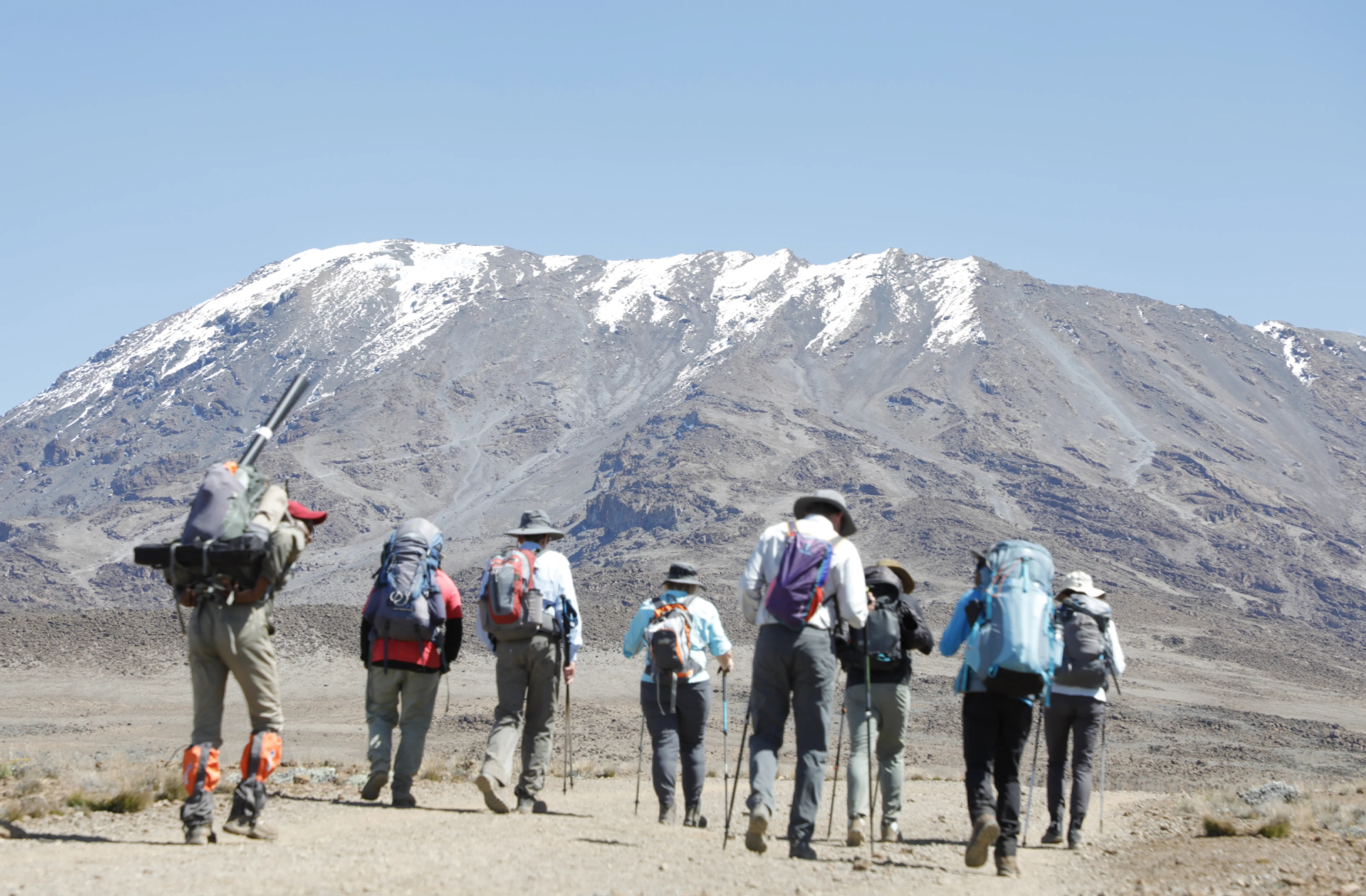
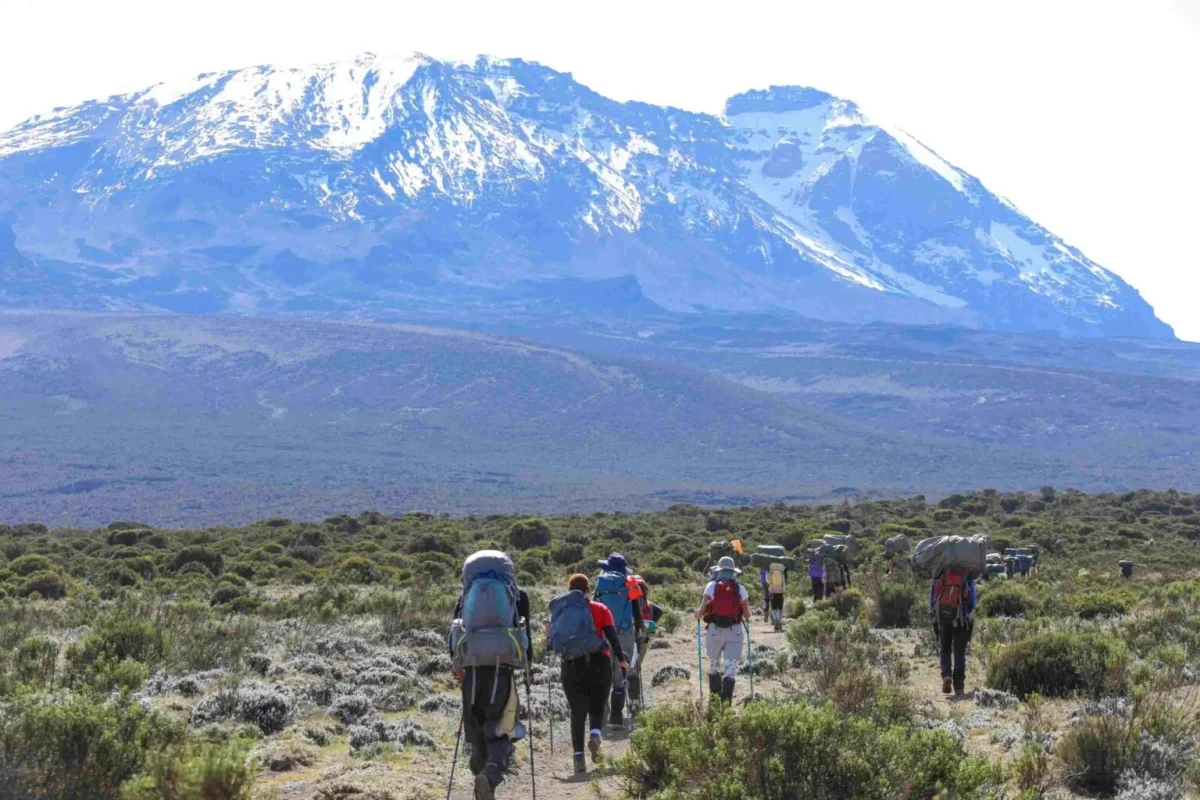
Hikers trekking Mount Kilimanjaro in Tanzania along scenic mountain trails toward the summit.
Common Kilimanjaro Packing Mistakes to Avoid
Packing the right equipment can make your Mount Kilimanjaro climb more comfortable and help you prepare for changing weather and cold nights. Avoid these common mistakes when preparing your Kilimanjaro packing list.
Mistake 1: Wearing New Hiking Boots on Kilimanjaro
The problem: New or poorly fitting hiking boots can cause blisters, discomfort, and foot pain during long trekking days.
The solution: Choose comfortable boots well before your trip and wear them on regular training hikes. Test them on different terrain and with the socks you plan to use on Kilimanjaro. There is no fixed distance required to break in every pair, but your boots should feel comfortable before departure.
Mistake 2: Packing Too Much Cotton Clothing
The problem: Cotton absorbs moisture and dries slowly, which can leave you feeling cold and uncomfortable when temperatures drop.
The solution: Choose moisture-wicking synthetic fabrics or merino wool for base layers, hiking shirts, and socks. Avoid relying on cotton for clothing that needs to keep you warm or dry during strenuous hiking.
Mistake 3: Bringing Too Few Hiking Socks
The problem: If your socks become wet or dirty, you may not have a dry pair available when you need one.
The solution: Pack enough hiking socks for your itinerary. Around 6–7 pairs can be a useful starting point for a typical climb, depending on the number of days and your personal needs. Dry socks improve comfort, although they cannot guarantee that blisters will be prevented.
Mistake 4: Choosing an Inadequate Sleeping Bag
The problem: A sleeping bag that is not warm enough for the expected conditions can make it difficult to sleep comfortably at high-altitude camps.
The solution: Choose or rent a sleeping bag based on its comfort temperature rating, the season, and your route's expected nighttime conditions. A comfort rating around −10°C to −15°C is worth considering for many Kilimanjaro itineraries, but confirm the appropriate rating with your tour operator before buying or renting.
Mistake 5: Overpacking Unnecessary Items
The problem: Too much equipment makes your duffel bag heavier and can make it harder to stay within your operator's luggage allowance.
The solution: Follow a checklist and pack items that serve a clear purpose. Remove unnecessary duplicates and leave non-essential belongings securely at your hotel during the climb. Do not leave out safety equipment or essential clothing simply to reduce weight.
Mistake 6: Failing to Protect Electronics and Documents
The problem: Rain, snow, and moisture can damage phones, cameras, and important travel documents.
The solution: Store electronics and documents in waterproof bags or protective cases. Keep your passport and essential documents secure, and use a separate waterproof pouch for items that must stay dry.
Mistake 7: Forgetting Snacks You Enjoy
The problem: Your appetite and food preferences may change during strenuous activity or at altitude. Familiar snacks can be useful when you want something between meals.
The solution: Pack a selection of familiar snacks, such as energy bars, nuts, dried fruit, or chocolate. Check what meals and snacks your tour operator provides, and follow your guide's advice on eating and drinking during the climb.
Mistake 8: Packing All Essential Gear in Checked Luggage
The problem: Delayed or lost checked luggage can leave you without important equipment when you arrive in Tanzania.
The solution: Keep essential items in your carry-on where airline rules allow, including:
Hiking boots
Essential prescription medication
Headlamp and suitable batteries
Sunglasses
Important travel documents
Phone, charging cables, and power bank, subject to airline battery rules
A change of clothing, including a base layer
Check your airline's cabin baggage restrictions before packing. If your checked luggage is delayed, contact your tour operator promptly to discuss rental or replacement options.
Mistake 9: Failing to Test Your Gear Before Departure
The problem: Discovering that your headlamp does not work, your water bottle leaks, or your rain jacket is damaged during the climb can cause avoidable problems.
The solution: Test your equipment before travelling.
☐ Check your headlamp and spare batteries.
☐ Inspect your hiking boots and test them on a walk.
☐ Check rain jacket and trouser fastenings.
☐ Fill your water bottles and check for leaks.
☐ Test your power bank and charging cables.
☐ Inspect your sleeping bag and sleeping mat, if bringing your own.
☐ Make sure your daypack fits comfortably when loaded.
If you are renting equipment, inspect it before the climb begins and report any problems to your operator.
Mistake 10: Bringing Unnecessary Valuables
The problem: Expensive jewellery, unnecessary electronics, and large amounts of cash add weight and create extra concerns during travel.
The solution: Bring only the valuables you need. Leave unnecessary items at home and ask your hotel about secure luggage storage for belongings you will not take on the mountain. Keep your passport, money, and essential documents secure throughout your trip.
Final Kilimanjaro Packing Checklist Before Departure
Use this checklist to organise your equipment and travel documents before leaving for Tanzania.
Two Weeks Before Departure
☐ Review your Kilimanjaro packing list and check every item.
☐ Test your headlamp, sleeping equipment, rain gear, and electronics.
☐ Confirm that your hiking boots are comfortable and properly worn in.
☐ Purchase or arrange rental of any missing equipment.
☐ Organise clothing and equipment into separate packing bags.
☐ Check your prescription medication supply and discuss altitude medication with your healthcare professional if needed.
☐ Check that your power bank and charging equipment are working.
One Week Before Departure
☐ Check your passport's validity against Tanzania's current entry requirements.
☐ Confirm your visa arrangements.
☐ Organise flight details, travel insurance, hotel reservations, and tour operator contacts.
☐ Check your hiking socks and other clothing for fit and comfort.
☐ Buy any snacks you plan to bring.
☐ Arrange cash for tips and personal expenses.
☐ Make secure copies of important travel documents.
☐ Prepare travel-size toiletries.
Three Days Before Departure
☐ Pack your duffel bag and check it against your operator's weight limit.
☐ Prepare your carry-on with essential gear, medication, documents, and a change of clothes.
☐ Organise tip money if you plan to give individual tips.
☐ Charge your devices and power banks.
☐ Test your camera and check memory card space.
☐ Review your itinerary and save your guide's contact details.
☐ Save your travel insurance emergency number where you can access it.
On the Day of Departure
☐ Double-check your passport, tickets, and travel documents.
☐ Keep essential medication and important documents in your carry-on.
☐ Confirm airport pickup and hotel arrangements in Tanzania.
☐ Make sure your essential electronics are packed according to airline rules.
☐ Keep your tour operator's contact information easy to find.
Final tip: Ask your Kilimanjaro tour operator for its latest packing list and equipment requirements before travelling. This helps you avoid buying items already included in your package and ensures your gear meets the needs of your specific route and itinerary.
Frequently Asked Questions About the Kilimanjaro Packing List
What should I pack for climbing Mount Kilimanjaro?
Your Kilimanjaro packing list should include layered clothing, waterproof hiking gear, broken-in hiking boots, warm gloves and hats, hiking socks, a sleeping bag suitable for cold conditions, a headlamp, trekking poles, sun protection, toiletries, personal medication, and important travel documents. Your exact needs depend on your route, itinerary, and the equipment provided by your tour operator.
How cold does it get on Mount Kilimanjaro?
Temperatures vary depending on altitude, season, and weather conditions. Lower forest areas can be relatively warm and humid, while high-altitude camps and the summit can be below freezing. Pack insulating layers, a warm jacket, suitable gloves, a warm hat, and a sleeping bag rated for the expected conditions.
What temperature rating should my sleeping bag have for Kilimanjaro?
A sleeping bag with a comfort rating around −10°C to −15°C is worth considering for many Kilimanjaro climbs. The best rating depends on your route, season, sleeping arrangements, and how easily you feel cold. Check the manufacturer's comfort rating and confirm your requirements with your tour operator.
Can I rent climbing equipment in Tanzania?
Yes we can arrange rentals for items such as sleeping bags, trekking poles, insulated jackets, and duffel bags. Availability, prices, and equipment quality vary, so confirm what is included in your package and arrange any additional rentals before travelling.
How heavy should my Kilimanjaro duffel bag be?
Many operators use a maximum duffel bag allowance of around 15 kg (33 lb), including the bag itself. However, requirements can vary, so confirm the current limit with your tour operator. Pack essential items carefully and avoid adding unnecessary equipment.
Do I need waterproof clothing for Kilimanjaro?
Yes. A waterproof jacket and trousers are important because rain and changing weather can occur on different parts of the mountain. Waterproof protection is particularly useful in forested areas and during wetter seasons. A rain cover or waterproof liner also helps protect items inside your daypack and duffel bag.
How many pairs of socks should I bring for Kilimanjaro?
Around 6–7 pairs of hiking socks can be a useful starting point for a typical climb, depending on the number of trekking days and your personal needs. Choose comfortable socks that work well with your boots, and pack enough to have dry pairs available when needed.
Can I wear regular running shoes on Kilimanjaro?
Hiking boots or suitable hiking footwear with reliable grip are generally a better choice for Kilimanjaro's varied terrain. Whatever footwear you choose, it should fit well, feel comfortable on long walks, and be tested during training hikes before your climb.
What should I carry in my Kilimanjaro daypack?
Your daypack should contain drinking water, snacks, extra clothing layers, rain protection, sun protection, a headlamp, personal medication, and other essentials recommended by your guide. A pack of approximately 25–35 litres works well for many climbers, provided it fits comfortably and has enough space for your daily needs.
Should I bring my own sleeping bag or rent one?
Both options can work. Bringing your own sleeping bag allows you to use familiar equipment, while renting in Tanzania can save luggage space and avoid the cost of buying a bag you may rarely use again. Before renting, check the comfort rating, cleanliness, condition, and total rental price.
What should I keep in my carry-on luggage when flying to Tanzania?
Keep essential items in your carry-on wherever airline rules allow. These include your passport, travel documents, essential medication, hiking boots, sunglasses, headlamp, and a change of clothing. Keep power banks in your cabin baggage according to your airline's battery rules. Check current baggage restrictions before departure.
Do I need trekking poles for Kilimanjaro?
Trekking poles are recommended because they can help with balance on uneven trails and provide support during long ascents and descents. You can bring your own or ask your tour operator about rental options. Practise using them before the climb so you can adjust them comfortably.
What toiletries should I bring for Kilimanjaro?
Pack a toothbrush, toothpaste, biodegradable soap, a small quick-dry towel, wet wipes, hand sanitizer, toilet paper, sunscreen, SPF lip balm, and any personal hygiene products you need. Shower facilities are generally unavailable during the trek, so compact toiletries make daily cleaning easier.
Do I need altitude sickness medication for Kilimanjaro?
Not everyone needs altitude sickness medication. Speak with a qualified healthcare professional before your climb to discuss whether medication such as acetazolamide (Diamox) is appropriate for you. Medication does not replace gradual acclimatization, monitoring symptoms, or following your guide's safety advice.
When should I start preparing my Kilimanjaro packing list?
Start reviewing your packing list several weeks before departure. This gives you time to test your boots and equipment, buy missing items, arrange rentals, check travel documents, and confirm your operator's requirements. Complete a final gear check before leaving home.
Can I leave extra luggage in Tanzania while climbing Kilimanjaro?
Many climbers arrange to leave non-essential luggage at their hotel while they trek. Confirm storage arrangements with your hotel or tour operator beforehand, and keep valuables and important documents secure. Take only the equipment you need for the climb.
Ready to plan your Tanzania trip?
Tell us your dates and budget and our safari specialists will send a free tailor-made quote within 24 hours.



 Exceptional Travel Expert