 Exceptional Travel Expert
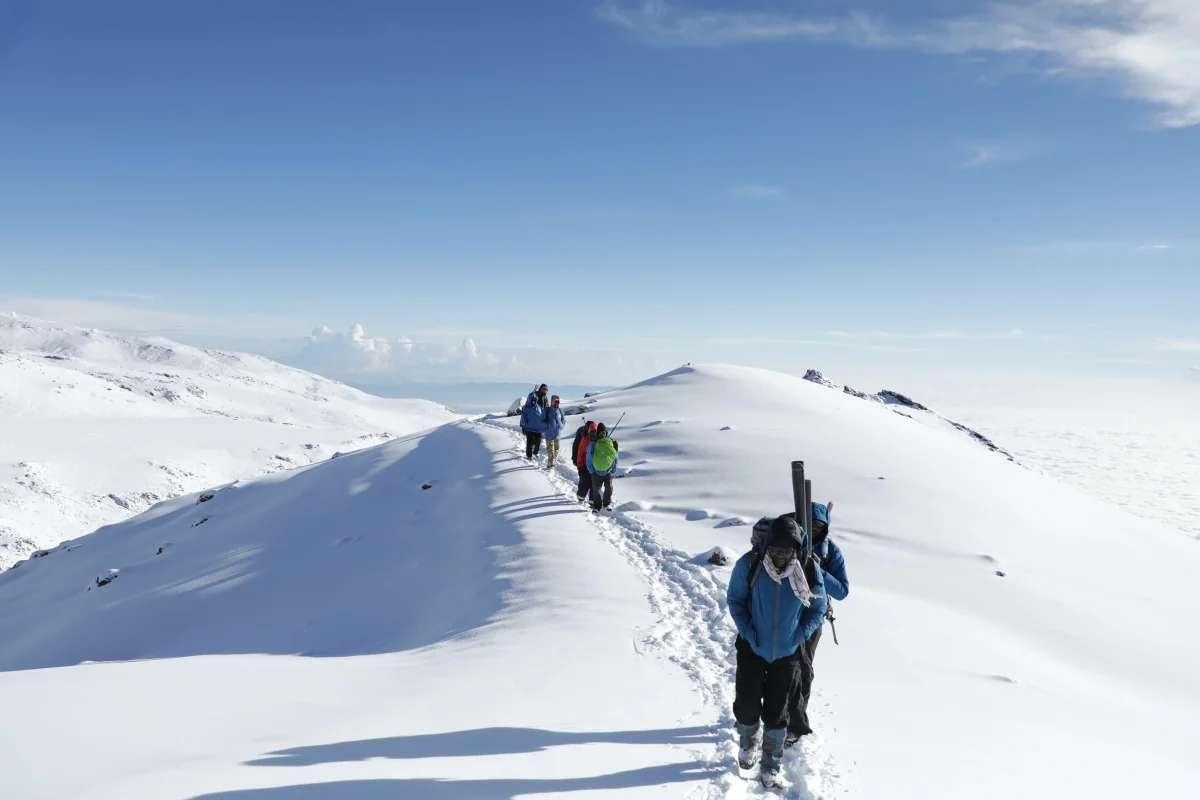
Kilimanjaro Altitude Sickness: Symptoms & Prevention
Altitude sickness is one of the main challenges climbers face on Mount Kilimanjaro. It can affect anyone, regardless of fitness level or hiking experience, because the body needs time to adjust to lower oxygen levels at high altitude.
Understanding Kilimanjaro altitude sickness before your climb can help you recognize the warning signs and know when to seek medical help. In this guide, we explain the common symptoms, why altitude sickness occurs, how to reduce your risk, and what to know about treatment options such as Diamox. You will also learn how mountain guides respond when a climber becomes unwell.
Exceptional Travel Expert is based in Arusha, Tanzania, and organizes Mount Kilimanjaro climbs. Our team can help you prepare for your trek, including choosing a suitable itinerary that allows time for acclimatization.
If you have questions about planning your climb, contact our team. For personal medical advice, speak with a qualified healthcare professional before your trip, especially if you have existing health concerns or are considering altitude sickness medication.
What Is Altitude Sickness?
Altitude sickness occurs when your body struggles to adjust to the lower air pressure and reduced oxygen availability at high elevations. As you climb Mount Kilimanjaro, the air pressure decreases, meaning each breath provides less oxygen than your body is used to receiving at sea level.
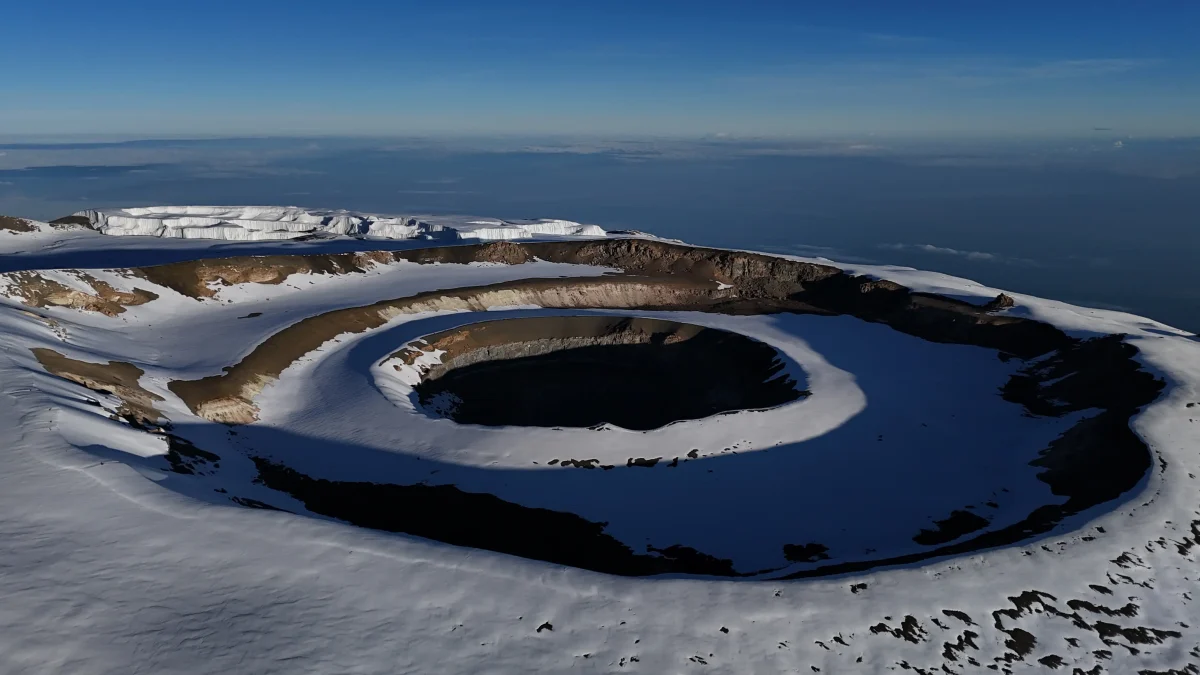
At Kilimanjaro’s summit, Uhuru Peak, which stands at 5,895 meters (19,341 feet), air pressure is roughly half that at sea level. Your body needs time to adapt to these conditions through a process called acclimatization. If you ascend too quickly, you increase your risk of developing altitude sickness.
The most common form is Acute Mountain Sickness (AMS). Symptoms can include a headache, nausea, dizziness, fatigue, and difficulty sleeping. In severe cases, altitude-related illness can progress to two life-threatening conditions: High-Altitude Cerebral Edema (HACE), which involves swelling of the brain, and High-Altitude Pulmonary Edema (HAPE), which involves fluid building up in the lungs.
Knowing the symptoms of altitude sickness and understanding when to stop ascending or descend are essential parts of preparing for a Kilimanjaro climb.
Who Gets Altitude Sickness on Kilimanjaro?
Anyone can develop altitude sickness on Kilimanjaro, regardless of fitness level, age, or hiking experience. Being physically fit does not protect you from altitude-related illness, and it is difficult to predict exactly who will be affected.
The likelihood of developing symptoms depends on several factors, particularly how high and how quickly you ascend, your itinerary, and how your body responds to altitude. Published estimates of how many Kilimanjaro climbers experience acute mountain sickness vary according to the study, route, duration, and definition of AMS, so a single percentage should not be treated as universal.
Several factors can increase your risk:
Ascending too quickly: Gaining altitude too rapidly gives your body less time to acclimatize. Shorter itineraries may increase the risk because they allow less time for adjustment.
Previous altitude sickness: Your previous experience at altitude can help inform your risk, although it cannot predict with certainty how you will respond on another climb.
Dehydration: Not drinking enough can contribute to feeling unwell and may make it harder to distinguish dehydration from altitude sickness. Drinking excessive amounts of water does not prevent AMS.
Alcohol: Alcohol can affect sleep and judgement. Avoiding it during your climb is a sensible precaution.
Overexertion: Walking too quickly or pushing yourself excessively can make the climb more difficult. Follow your guide’s pace and allow time for rest.
The good news is that you can take practical steps to reduce your risk. Choosing an itinerary with adequate time for acclimatization, ascending gradually, following your guide’s advice, and recognizing symptoms early all help support a safer climb.
However, no route, level of preparation, or precaution can eliminate altitude sickness completely. If symptoms develop or worsen, do not continue ascending. Seek help from your guide, and remember that severe symptoms require urgent medical attention and may require descent.
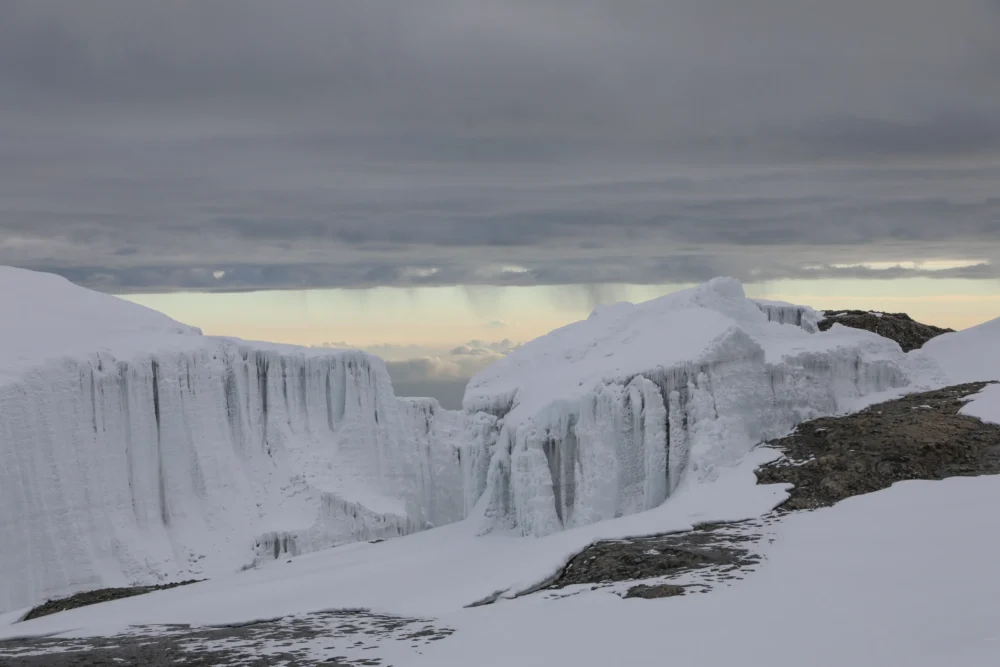
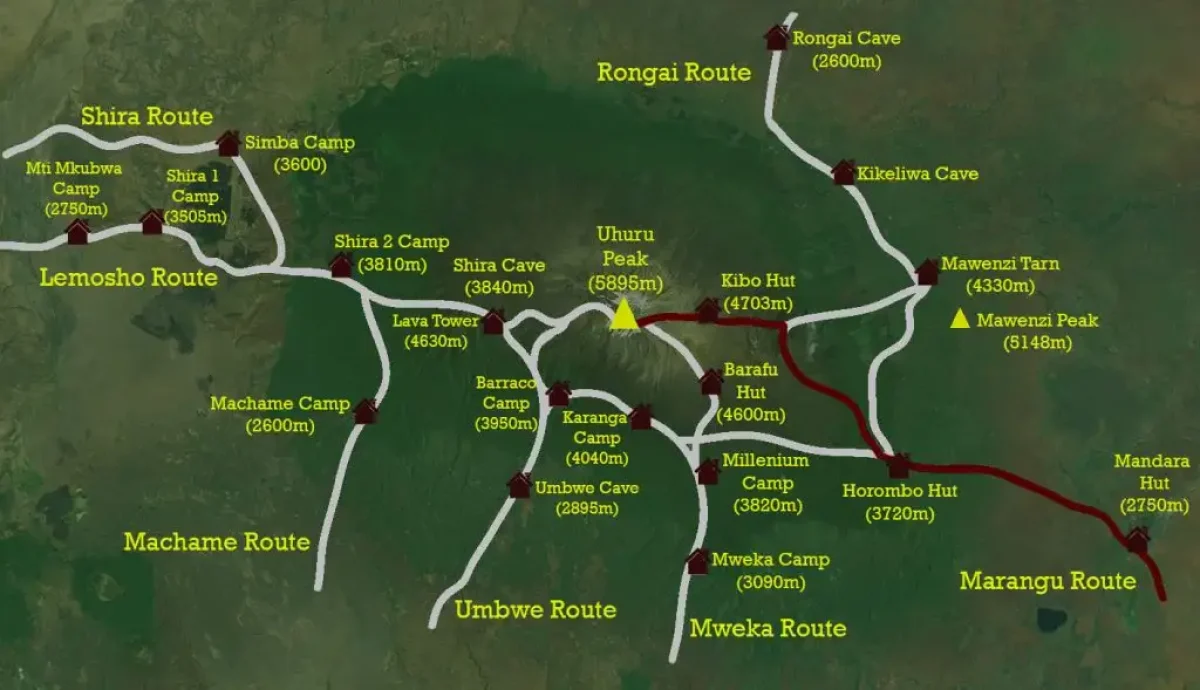
Mount Kilimanjaro rises through several altitude zones, from the forested lower slopes to the high-altitude summit at 5,895 meters (19,341 feet). As you climb higher, air pressure decreases and less oxygen is available with each breath. Your body needs time to adjust, and the risk of altitude sickness generally increases as you gain elevation.Here is a simple guide to the main altitude zones, what you may experience, and why acclimatization becomes increasingly important as you climb.
| Altitude zone | Location on mountain | What to expect |
| Below 2,500m | Rainforest / low moorland | Altitude is not a significant concern here. Focus on pace and hydration. |
| 2,500m – 3,500m | Shira Plateau / Horombo Huts | Mild AMS symptoms may begin for some people. Headaches and disturbed sleep are common. Monitor closely. |
| 3,500m – 4,500m | Lava Tower / Kibo Huts area | Most AMS symptoms appear in this zone. Acclimatization days like the Lava Tower walk are built into good routes here. |
| 4,500m – 5,500m | Crater Camp / summit approach | High-risk zone. HACE and HAPE risk increases significantly. All climbers must be monitored closely. |
| 5,895 m | Uhuru Peak—summit | Air has approximately 50% of sea-level oxygen. Most climbers feel breathless, some feel very unwell. Guides assess all climbers before descent. |
Altitude sickness on Kilimanjaro can range from mild symptoms to serious, life-threatening conditions. The most common form is Acute Mountain Sickness (AMS), while High-Altitude Cerebral Edema (HACE) and High-Altitude Pulmonary Edema (HAPE) are medical emergencies. Recognizing the warning signs early is essential because symptoms can worsen as you climb higher.
Level 1: Mild Acute Mountain Sickness (AMS)
Mild AMS can develop after ascending to a higher altitude before your body has had enough time to adjust. Symptoms may resemble a headache or general feeling of illness, but they should never be ignored during a Kilimanjaro climb.
Common symptoms of mild AMS:
Headache: Often one of the first symptoms.
Nausea or vomiting: You may feel sick or lose your appetite.
Fatigue and weakness: You feel more tired than expected.
Dizziness: You may feel lightheaded.
Difficulty sleeping: Sleep may become disturbed at altitude.
Reduced appetite: Eating may become less appealing.
Breathlessness during physical activity is common at high altitude, but unusual breathlessness at rest is a warning sign that requires urgent assessment.
What to do: Stop ascending and tell your guide about your symptoms. Rest at your current altitude and do not climb higher while symptoms remain. Your guide should assess your condition and help determine the appropriate next steps. If symptoms worsen, do not wait for them to pass; descent and medical assessment may be necessary.
A headache alone does not confirm AMS, and dehydration is not the only possible cause. Do not assume that drinking water or taking pain relief makes it safe to continue climbing.
Level 2: Worsening or Moderate AMS
AMS can become more serious if symptoms persist or worsen. Symptoms that interfere with normal activity deserve particular attention, and any sign of impaired coordination should be treated as an emergency warning.
Warning signs include
A severe or persistent headache.
Ongoing nausea or repeated vomiting.
Marked fatigue or difficulty continuing normal activity.
Symptoms that worsen despite resting at the same altitude.
Unsteadiness, poor coordination, or difficulty walking normally.
What to do: Stop ascending immediately and alert your guide. If symptoms are worsening or you have difficulty walking normally, urgent descent and medical assistance are needed. Do not continue towards the summit or wait until the next morning to see whether serious symptoms improve.
The amount of descent needed depends on the person's condition and the circumstances. There is no fixed distance that guarantees relief.
Level 3: Severe Altitude Illness — HACE and HAPE
High-Altitude Cerebral Edema (HACE) and High-Altitude Pulmonary Edema (HAPE) are life-threatening altitude-related conditions. HACE involves swelling of the brain, while HAPE involves fluid accumulation in the lungs. Either condition requires urgent action.
HACE — High-Altitude Cerebral Edema
Possible warning signs include:
Confusion, disorientation, or unusual behaviour.
Difficulty walking in a straight line or loss of coordination.
Extreme drowsiness or difficulty staying alert.
A severe headache, particularly when accompanied by other neurological symptoms.
Reduced consciousness in advanced cases.
HAPE — High-Altitude Pulmonary Edema
Possible warning signs include
Breathlessness while resting.
A cough that is new or worsening.
A noticeable decline in exercise ability.
Chest tightness or a feeling of congestion.
Blue or grey lips or fingertips in severe cases.
HAPE can develop without every symptom appearing, so do not wait for all the warning signs to occur.
What to do: Treat suspected HACE or HAPE as a medical emergency. Stop the ascent, alert your guide immediately, arrange urgent descent, and seek emergency medical care. Supplemental oxygen may be used when available, but it must not delay descent or evacuation. Do not leave the affected climber alone.
Exceptional Travel Expert's mountain team should explain its emergency procedures and available equipment before your climb. Ask your operator what medical training, oxygen supplies, evacuation arrangements, and communication systems are available on your chosen route.
Remember: Altitude sickness can become dangerous if symptoms are ignored. If you are unsure whether a climber's condition is serious, tell your guide immediately. Never continue ascending with suspected altitude sickness, and never delay urgent medical assistance when severe symptoms appear.
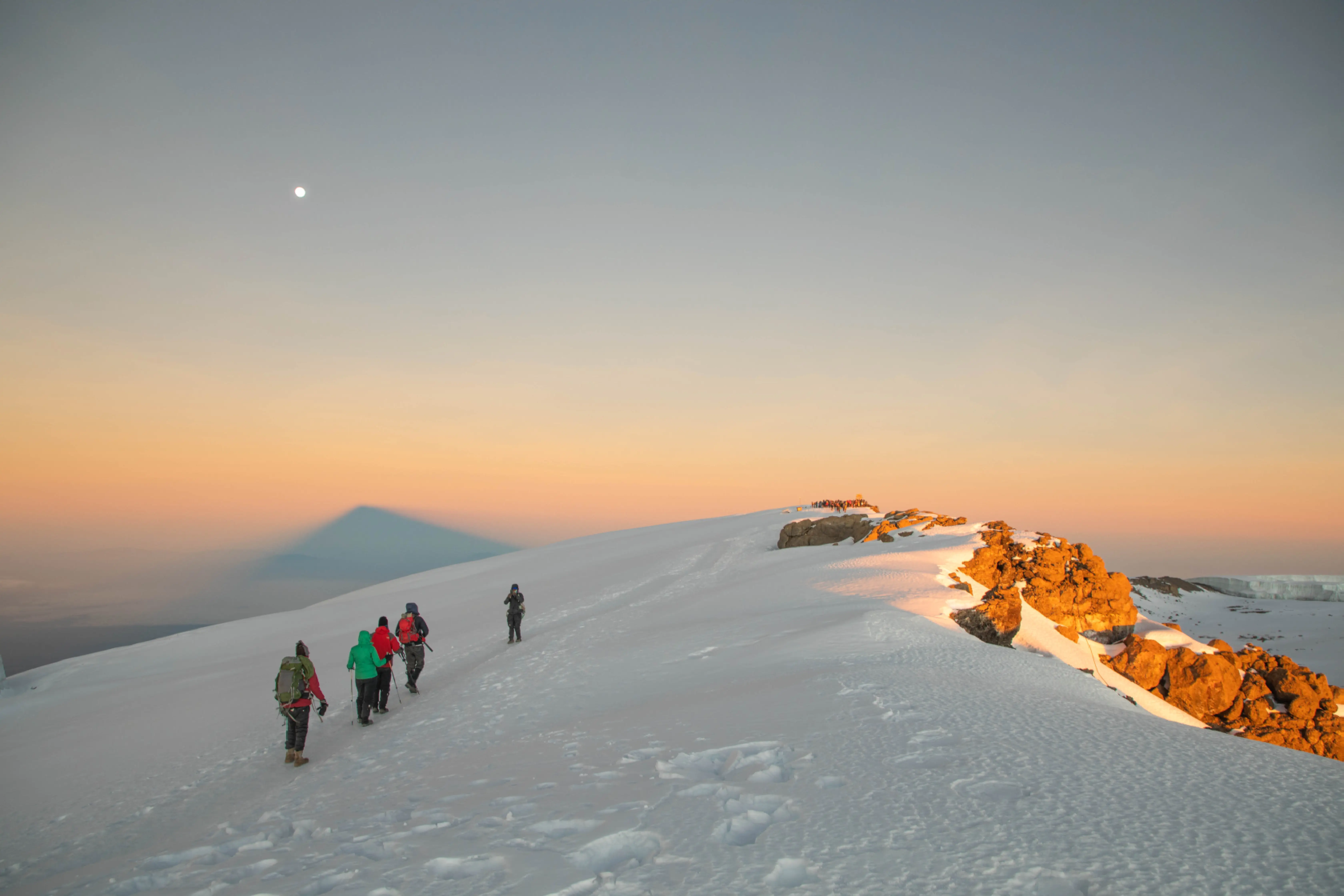
Mountain guides monitor climbers for symptoms of altitude sickness throughout a Kilimanjaro trek. One recognised assessment tool is the Lake Louise Acute Mountain Sickness (AMS) Score, which helps evaluate symptoms after a person has gained altitude.
The revised 2018 Lake Louise Score assesses four symptoms, each rated from 0 to 3 according to severity:
Headache: Whether a headache is present and how severe it is.
Gastrointestinal symptoms: Such as nausea, vomiting, or loss of appetite.
Fatigue or weakness: Feeling unusually tired or weak.
Dizziness or lightheadedness: Feeling dizzy or unsteady.
The revised score no longer includes difficulty sleeping. Under the Lake Louise research criteria, a total score of 3 or more, including a headache, can indicate AMS when assessed at least six hours after an altitude gain. However, the score is not a substitute for a medical assessment, and serious altitude-related conditions can occur even when a symptom score is low.
What happens if symptoms appear?
If a climber develops a headache, nausea, dizziness, or unusual fatigue, they should inform their guide rather than hide or ignore the symptoms. The guide can assess the climber's condition, monitor changes, and determine whether the ascent should stop or a descent is needed. Confusion, difficulty walking normally, or breathlessness at rest requires urgent action.
Can a Pulse Oximeter Detect Altitude Sickness?
A pulse oximeter measures blood oxygen saturation (SpO₂). It can provide useful information during a high-altitude trek, but it cannot diagnose altitude sickness on its own.
Oxygen saturation normally decreases as you climb higher, and readings vary between individuals and with altitude, acclimatisation, activity, and measurement conditions. A reading that appears normal does not rule out AMS, while a low reading must be interpreted alongside the person's symptoms and overall condition.
For this reason, pulse oximeter readings should support—not replace—symptom monitoring and clinical judgement. If your operator uses pulse oximeters or a formal symptom assessment, ask how these are incorporated into its mountain safety procedures.
How to Prevent Altitude Sickness on Kilimanjaro
There is no guaranteed way to prevent altitude sickness, but careful planning can reduce the risk. The main goal is to give your body enough time to adjust to the decreasing oxygen availability as you climb.
1. Choose a Longer Route
Allowing more time for acclimatisation is one of the most important decisions when planning your Kilimanjaro climb. Longer itineraries generally provide more time to adjust to altitude than shorter climbs, although the route profile and sleeping elevations also matter.
For many climbers, a seven- or eight-day itinerary is worth considering, depending on the route and individual circumstances. Some routes can be completed in fewer days, but a shorter itinerary may allow less time for acclimatisation and can increase the risk of altitude sickness.
When comparing Kilimanjaro packages, look beyond the price and total distance. Check how many days are included, how quickly sleeping altitude increases, and whether the itinerary includes suitable opportunities for acclimatisation. Your previous response to altitude and your medical history may also affect your risk.
No itinerary can guarantee that you will avoid altitude sickness or reach Uhuru Peak. Choose a suitable route, follow your guide's instructions, and never continue ascending when you have symptoms that may indicate altitude illness.
| Route | Days | Acclimatization | Summary |
| 8-Day LemoshoOur top recommendation | 8 | ★★★★★ | Best overall. Highest summit success rates of any route. |
| 7-Day Lemosho | 7 | ★★★★ | Excellent choice with a very good acclimatization profile. |
| 7-Day Machame | 7 | ★★★★ | Popular and well-acclimatized. A great option for most people. |
| 7-Day Rongai | 7 | ★★★★ | Quieter northern approach with solid acclimatization. |
| 6-Day Marangu | 6 | ★★ | Less time to adjust. Lower summit success rate. Not ideal if altitude sickness is a concern. |
| 6-Day Umbwe | ★ | Steepest and fastest ascent. Highest altitude sickness risk. Experienced climbers only. |
2. Go Slowly — Pole Pole
“Pole pole” (pronounced poh-lay poh-lay) means “slowly, slowly” in Swahili. It is one of the most important phrases you will hear during a Kilimanjaro climb. Your guides use it to remind you to maintain a steady pace and give your body time to adjust to the altitude.
Walking too quickly is a common mistake, even among fit and experienced hikers. At high altitude, your body has less oxygen available, and strenuous activity can leave you exhausted. A slow, comfortable pace helps you conserve energy and manage the physical demands of the climb, although walking slowly alone cannot prevent altitude sickness.
How do you know if you are walking too fast?
Try to maintain a pace that allows you to speak comfortably without becoming excessively breathless. If you are struggling to talk, slow down and let your guide know how you feel. Take regular breaks as needed, follow your guide's instructions, and avoid pushing yourself to keep up with other climbers.
Remember that pole pole is about more than reaching the summit. It is about allowing time for acclimatisation, recognising your body's signals, and making sensible decisions throughout your Kilimanjaro trek.
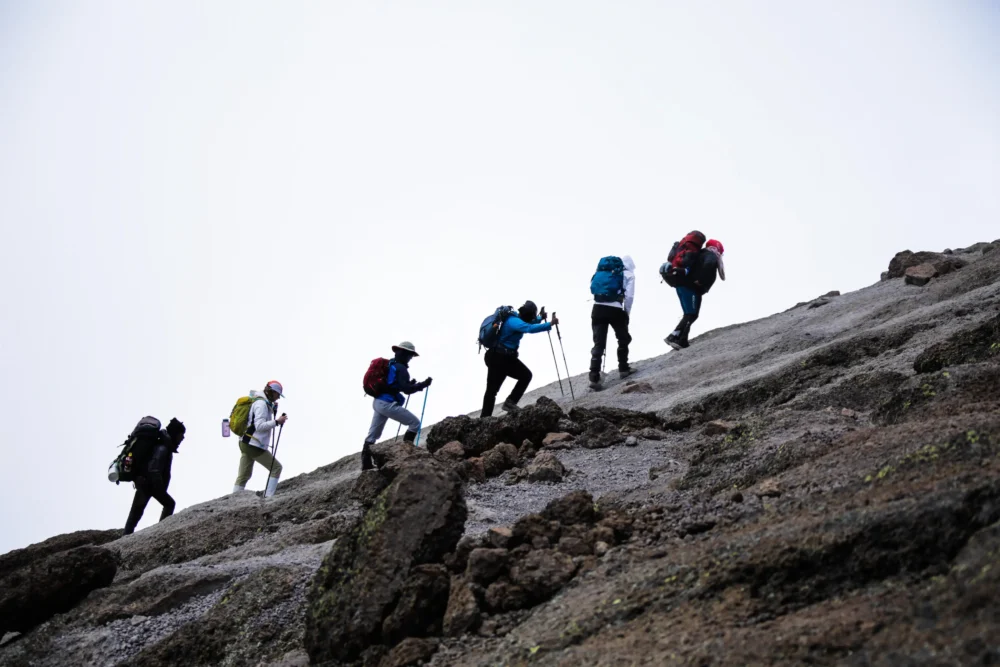
3. Climb High, Sleep Low
“Climb high, sleep low” is an important principle of altitude acclimatisation. It means hiking to a higher elevation during the day and returning to a lower camp to sleep. This approach gives your body some exposure to higher altitude without requiring you to sleep at the highest point reached that day.
A good example on Mount Kilimanjaro is the Lava Tower acclimatisation walk on the Machame and Lemosho routes. Depending on the itinerary, climbers ascend to Lava Tower at approximately 4,630 metres (15,190 feet), then descend to Barranco Camp at around 3,960 metres (12,990 feet) to spend the night.
This ascent followed by a descent can support acclimatisation. However, it does not guarantee that you will avoid altitude sickness. Your overall itinerary, sleeping altitude, ascent rate, and individual response to altitude all matter.
4. Drink Water Regularly
Staying hydrated is important during your Kilimanjaro climb. The air can be dry, and you lose fluids through breathing and sweating as you hike. However, drinking extra water does not prevent altitude sickness, and forcing yourself to drink too much can be harmful.
Drink water regularly throughout the day and increase your intake when activity, heat, or sweating calls for it. Your needs will vary depending on the weather, exertion, and individual circumstances. Follow your guide's advice and pay attention to how you feel.
Carry a reusable water bottle or hydration bladder so water is easy to access while walking. Avoid alcohol during your climb, as it can affect sleep, judgement, and your ability to recognise symptoms. If you regularly drink caffeinated beverages, you may also wish to discuss your usual caffeine intake with your healthcare professional before the trek.
5. Eat Regularly, Even When Your Appetite Is Low
Some climbers experience a reduced appetite at high altitude. Even when you do not feel very hungry, eating regular meals and snacks can help provide the energy you need for long hiking days.
Choose familiar foods that you find easy to eat, including carbohydrates such as rice, potatoes, bread, porridge, and pasta. Include other foods that provide protein and fat as part of a balanced diet.
Eat what you can at mealtimes, and consider carrying snacks in your daypack, such as crackers, dried fruit, nuts, or energy bars. Small, frequent snacks may be easier to manage than large meals when your appetite is low.
If you develop persistent nausea, repeated vomiting, or difficulty eating and drinking, tell your guide. These symptoms should not simply be dismissed as a normal part of climbing, as they may indicate altitude sickness or another problem that needs assessment.
6. Get Enough Rest
Sleep can be difficult on Kilimanjaro, especially as you climb higher. Reduced oxygen availability can affect breathing during sleep, sometimes causing a pattern of breathing that alternates between deeper breaths and brief pauses. This can lead to frequent waking and leave you feeling tired the next day.
To make resting at camp more comfortable:
Keep warm: Wear suitable night clothing and use a sleeping bag appropriate for the expected temperatures.
Allow time to rest: Follow your itinerary and avoid unnecessary strenuous activity late in the day.
Drink regularly during the day: Maintain a sensible fluid intake without forcing excessive amounts.
Avoid alcohol: It can worsen sleep quality and impair judgement at altitude.
Tell your guide about concerning symptoms: Do not assume that every sleep problem or episode of breathlessness is harmless.
Some climbers may be prescribed acetazolamide (Diamox) to help with acclimatisation and certain altitude-related sleep disturbances. It is not suitable for everyone, so discuss its potential benefits and risks with a qualified healthcare professional before your trip.
7. Be Honest With Your Guides About How You Feel
Being open about your symptoms is one of the most important parts of a Kilimanjaro climb. Tell your guide if you develop a headache, nausea, dizziness, unusual tiredness, or any other new or worsening symptoms, even if they seem mild.
Guides may ask about your symptoms and check your blood oxygen level using a pulse oximeter. They may also use a structured symptom assessment, such as the Lake Louise Score, as part of evaluating possible acute mountain sickness (AMS).
A pulse oximeter or symptom score cannot diagnose or rule out every case of altitude sickness. Your symptoms, how they change over time, and a clinical assessment are all important.
Do not hide symptoms because you are worried about missing the summit. Your health and safety must come before reaching the top. If you develop symptoms of altitude sickness, your guide should assess the situation and help determine the safest next step. Mild symptoms may require stopping the ascent and monitoring your condition, while worsening symptoms or signs of a serious altitude-related illness require urgent action, including descent and medical assistance when indicated.
A responsible climbing team should take reports of illness seriously. Speaking up early gives the team a better opportunity to respond before the situation becomes more serious.
Diamox (Acetazolamide) for Kilimanjaro — What Climbers Should Know
Diamox, also known by its generic name acetazolamide, is a prescription medication used to help prevent acute mountain sickness (AMS) and support acclimatisation at high altitude. It works by changing the body's acid-base balance, which stimulates breathing and helps the body adjust to lower oxygen availability.
Some climbers may benefit from taking Diamox, while others may decide not to use it after discussing their options with a healthcare professional. It is important to understand its benefits, possible side effects, and limitations before your Kilimanjaro climb.
How Does Diamox Work?
At high altitude, the body needs to adapt to lower air pressure and reduced oxygen availability. One important part of this process is breathing more deeply and frequently.
Diamox helps stimulate this breathing response by affecting how the kidneys regulate bicarbonate, creating a mild change in the body's acid-base balance. This can help the body acclimatise more quickly and reduce the risk or severity of acute mountain sickness.
Diamox may also help improve sleep at altitude by reducing periodic breathing, a pattern of irregular breathing that can interrupt sleep at high elevations. However, it does not replace a gradual ascent or guarantee that altitude sickness will be prevented.
Diamox Dosage for Kilimanjaro
The appropriate dose and timing depend on the individual, their medical history, and their climbing itinerary. Healthcare professionals commonly prescribe acetazolamide for altitude sickness prevention, but the medication is not suitable for everyone.
Speak with a qualified healthcare professional before your trip to determine whether Diamox is appropriate for you and, if so, how it should be taken. Follow the instructions provided by your prescriber rather than relying on a general online dosage recommendation.
Do not start, stop, or change your medication without appropriate medical advice.
Possible Side Effects of Diamox
Diamox can cause side effects, although not everyone experiences them. Possible effects include:
Tingling in the hands or feet: A common effect that may be noticeable during the climb.
More frequent urination: The medication can increase urine production, so follow your healthcare professional's advice about maintaining appropriate fluid intake.
Changes in the taste of fizzy drinks: Carbonated drinks may taste unusual.
Fatigue or dizziness: These effects may be difficult to distinguish from symptoms associated with exertion or altitude.
Nausea or digestive discomfort: Some people experience stomach-related side effects.
Tell your healthcare professional about any side effects that concern you. Do not assume that new symptoms during your climb are simply caused by medication, as they could also indicate altitude sickness or another medical problem.
Who Should Check With a Doctor Before Taking Diamox?
Diamox may not be appropriate for everyone. Before taking it, discuss your medical history and current medications with a qualified healthcare professional, particularly if you have:
Kidney problems or a history of kidney stones
Significant liver disease
Low sodium or potassium levels
A history of serious reactions to medications, including sulfonamides
Other medical conditions or medicines that could affect its safety
An allergy to sulfonamide antibiotics does not automatically mean that acetazolamide is unsafe, but the nature and severity of any previous reaction need to be assessed by a healthcare professional.
Diamox is a prescription medication. Do not take someone else's medication or use it without appropriate medical guidance.
Does Diamox Guarantee You Will Avoid Altitude Sickness?
No. Diamox can reduce the risk of acute mountain sickness, but it does not eliminate the risk of AMS, high-altitude cerebral edema (HACE), or high-altitude pulmonary edema (HAPE).
Good acclimatisation remains essential. Choose an itinerary that allows sufficient time to adjust to altitude, walk at a steady pace, and tell your guide about any symptoms as soon as they develop.
If serious altitude-related symptoms occur, urgent descent and medical assistance are essential. Medication and supplemental oxygen may be used as part of emergency treatment when appropriate, but they must not delay descent or evacuation.
Some climbers use Diamox after discussing the benefits and risks with their doctor; others do not. The right decision depends on individual circumstances and should be made with a qualified healthcare professional.
What Happens If You Develop Altitude Sickness During Your Kilimanjaro Climb?
Recognising symptoms early and responding appropriately can help reduce the risk of serious complications. The response depends on the symptoms, how they develop, and the overall condition of the climber.
Mild Symptoms
If you develop a headache, nausea, dizziness, or unusual tiredness, tell your guide immediately. The team should assess your symptoms, check how they are changing, and consider other possible causes.
A guide may use a structured symptom assessment, such as the Lake Louise Score, and measure your blood oxygen level with a pulse oximeter. Neither a symptom score nor an oxygen reading should be used on its own to decide whether it is safe to continue.
If altitude sickness is suspected, you should not ascend further while symptoms persist. Your guide should help determine whether you need to rest at your current altitude, receive medical assessment, or descend.
Symptoms That Do Not Improve or Become Worse
If symptoms persist, worsen, or are accompanied by repeated vomiting or difficulty walking steadily, prompt medical assessment is important. Descent may be necessary, depending on the severity of your condition.
A lower altitude often helps people with altitude sickness, but the amount of descent needed and the speed of improvement vary. Do not rely on a particular distance or time as proof that you are recovering safely.
Any decision to resume the climb should be based on your recovery and an appropriate assessment, not simply on a temporary improvement in how you feel.
Severe Symptoms — Suspected HACE or HAPE
High-altitude cerebral edema (HACE) and high-altitude pulmonary edema (HAPE) are serious, potentially life-threatening conditions. Warning signs can include confusion, loss of coordination, unusual drowsiness, breathlessness at rest, or a worsening cough.
Suspected HACE or HAPE is an emergency. The priorities are to alert the guide immediately, arrange urgent descent, and obtain medical assistance. Supplemental oxygen and appropriate emergency medication may be used by trained personnel when available, but these measures must not delay descent or evacuation.
Before booking a climb, ask your operator how guides monitor climbers, what emergency equipment is available, and how the team responds if someone becomes seriously unwell. Emergency procedures and available resources can vary, so it is important to confirm the arrangements for your specific trek.
Your safety matters more than reaching Uhuru Peak. A responsible climbing team should take symptoms seriously and make safety the priority, even when that means changing the itinerary or ending the climb.
Frequently Asked Questions About Kilimanjaro Altitude Sickness
How common is altitude sickness on Kilimanjaro?
Altitude sickness is common on Mount Kilimanjaro, particularly on shorter itineraries that allow less time for acclimatisation. Studies of four- and five-day ascents have reported acute mountain sickness (AMS) rates of approximately 75–77%. These figures do not apply to every climber or route.
Symptoms can include headache, nausea, dizziness, fatigue, and loss of appetite. Some cases are mild, but symptoms should never be ignored. More serious conditions, including high-altitude cerebral edema (HACE) and high-altitude pulmonary edema (HAPE), can also occur and require urgent medical attention.
Choosing an itinerary with adequate acclimatisation time and following your guide's safety advice can help reduce risk, but neither can guarantee that you will avoid altitude sickness.
Can you die from altitude sickness on Kilimanjaro?
Yes. In rare cases, severe altitude illness can be fatal. HACE and HAPE are potentially life-threatening conditions that require urgent action.
Warning signs include confusion, loss of coordination, breathlessness at rest, and a worsening cough. If these symptoms develop, alert your guide immediately. Urgent descent and medical assistance are essential.
Before booking your climb, ask your operator about its emergency procedures, guide training, and arrangements for evacuation. Report symptoms honestly and never continue ascending when you may have altitude sickness.
What is the summit success rate for Kilimanjaro?
Summit success rates vary depending on the route, the number of days spent climbing, the itinerary, and the group being studied. Research has reported lower success rates on some shorter ascents and higher rates on longer itineraries that allow more time for acclimatisation.
Be cautious of any operator claiming a success rate above 90% without explaining how it was calculated and which climbers it includes. A rate from one group or route may not reflect the experience of all climbers.
When choosing a Kilimanjaro package, compare the number of climbing days, sleeping altitudes, acclimatisation opportunities, and the operator's approach to safety. Reaching the summit is never guaranteed, and climbers should not feel pressured to continue when their health is at risk.
Should I take ibuprofen or paracetamol for an altitude headache?
Ibuprofen and paracetamol (acetaminophen) can help relieve headache pain, but neither treats the underlying cause of altitude sickness. Some research has also investigated ibuprofen for AMS prevention, but it should not be used as a substitute for appropriate acclimatisation or medical advice.
Both medicines have potential risks. Ibuprofen may not be suitable for people with certain kidney, stomach, or other health problems, while paracetamol can be harmful if taken incorrectly or in excessive amounts. Ask a qualified healthcare professional which option is suitable for you before your climb.
If you develop a headache at altitude, tell your guide, especially if it is persistent, severe, worsening, or accompanied by nausea, dizziness, unusual tiredness, or other symptoms. Do not use pain relief to hide symptoms so you can continue ascending.
What is the difference between AMS, HACE, and HAPE?
These are three forms of altitude-related illness, and they differ in severity and symptoms.
Acute mountain sickness (AMS): The most common form. Symptoms may include headache, nausea, dizziness, fatigue, and reduced appetite. Do not ascend further while symptoms persist.
High-altitude cerebral edema (HACE): A serious condition affecting the brain. Warning signs include confusion, unusual behaviour, loss of coordination, and reduced consciousness.
High-altitude pulmonary edema (HAPE): A serious condition affecting the lungs. Warning signs include breathlessness at rest, a worsening cough, chest tightness, and a marked decline in exercise ability.
HACE and HAPE are medical emergencies. Suspected cases require urgent descent and medical assistance. Do not wait for every warning sign to appear before seeking help.
Can I climb Kilimanjaro if I have asthma?
Some people with well-controlled asthma may be able to climb Kilimanjaro, but suitability depends on their individual health and how well their condition is managed. High altitude, cold air, and strenuous exercise may aggravate respiratory symptoms in some climbers.
Speak with your doctor before booking or undertaking the climb. Discuss your asthma control, any recent symptoms, your medication, and whether the trek is appropriate for you. If you are cleared to climb, follow your clinician's advice about carrying and using your prescribed medication, and tell your guides about your condition before the trek begins.
New or worsening breathing difficulties during the climb should not automatically be attributed to asthma. Breathlessness at rest, chest tightness, or a worsening cough can also be signs of serious altitude illness and need immediate assessment.
What is a pulse oximeter, and why do guides use it?
A pulse oximeter is a small device, usually clipped onto a finger, that estimates blood oxygen saturation (SpO₂) and measures pulse rate. At higher elevations, oxygen saturation generally decreases because less oxygen is available with each breath.
Climbing teams may use pulse oximeters to monitor readings alongside symptoms and other health checks. However, there is no single oxygen saturation reading that reliably distinguishes safe acclimatisation from altitude sickness for every climber. Expected readings vary with altitude, and results can also be affected by factors such as cold fingers and movement.
A normal-looking reading does not rule out altitude sickness, and a low reading does not establish a diagnosis on its own. Guides should consider the full picture, including how the climber feels and whether symptoms are worsening.
Can I acclimatise faster by sleeping in a high-altitude tent at home?
High-altitude tents, also called hypoxic tents, reduce the oxygen concentration in the air a person breathes to simulate some aspects of high altitude. They are used by some mountaineers and athletes, but the benefits vary depending on the equipment, exposure schedule, and individual response.
Using a tent at home is not necessary for most people planning a Kilimanjaro climb, and it does not guarantee protection from altitude sickness. It also cannot replace a suitable climbing itinerary with time for acclimatisation.
For most climbers, a more practical priority is choosing a route with adequate time to adjust to altitude, following a steady pace, and reporting symptoms promptly. If you are considering simulated-altitude training, seek advice from a qualified healthcare professional familiar with high-altitude travel.